
Revolutionizing Customer Service with AI Chatbot GPT
Artificial Intelligence (AI) has transformed customer interactions for businesses, with AI chatbot GPT (Generative Pre-trained Transformer) being a notable advancement. GPT is an advanced language processing model that utilizes machine learning to comprehend and generate text resembling human communication. Many businesses have implemented this technology to enhance their customer service operations, as it can effectively understand and respond to customer inquiries in a natural, conversational manner.
AI chatbot GPT possesses the capability to analyze and interpret conversational context, enabling it to provide accurate and pertinent responses to customer queries. It can manage various customer service tasks, including addressing frequently asked questions, offering product information, and assisting with complex problem-solving scenarios. The advanced natural language processing abilities of AI chatbot GPT allow it to engage in meaningful dialogues with customers, resulting in enhanced customer satisfaction and increased loyalty.
Key Takeaways
- AI Chatbot GPT is an advanced artificial intelligence technology that can simulate human conversation and provide automated customer service.
- Using AI Chatbot GPT for customer service can lead to improved response times, 24/7 availability, and cost savings for businesses.
- AI Chatbot GPT improves efficiency in customer service by handling repetitive tasks, freeing up human agents to focus on more complex issues.
- Personalization and customization in customer service with AI Chatbot GPT can enhance the customer experience and build stronger relationships.
- While AI Chatbot GPT offers many benefits, businesses must be aware of challenges such as language limitations, data privacy concerns, and the need for ongoing maintenance and updates.
Benefits of Using AI Chatbot GPT for Customer Service
Enhanced Customer Experience
Firstly, it provides 24/7 support to customers, ensuring that they can receive assistance at any time of the day. This round-the-clock availability not only enhances customer satisfaction but also helps businesses cater to a global customer base across different time zones.
Improved Efficiency and Productivity
Additionally, AI chatbot GPT can handle multiple customer inquiries simultaneously, reducing the need for customers to wait in long queues or on hold, leading to improved efficiency and reduced customer frustration. Furthermore, AI chatbot GPT can significantly reduce operational costs for businesses by automating routine customer service tasks. This allows human agents to focus on more complex and high-value interactions, ultimately improving productivity and resource allocation within the organization.
Consistency and Accuracy
Moreover, AI chatbot GPT can provide consistent and accurate responses to customer queries, ensuring that all customers receive the same level of service regardless of the time or day they reach out for assistance.
How AI Chatbot GPT Improves Efficiency in Customer Service

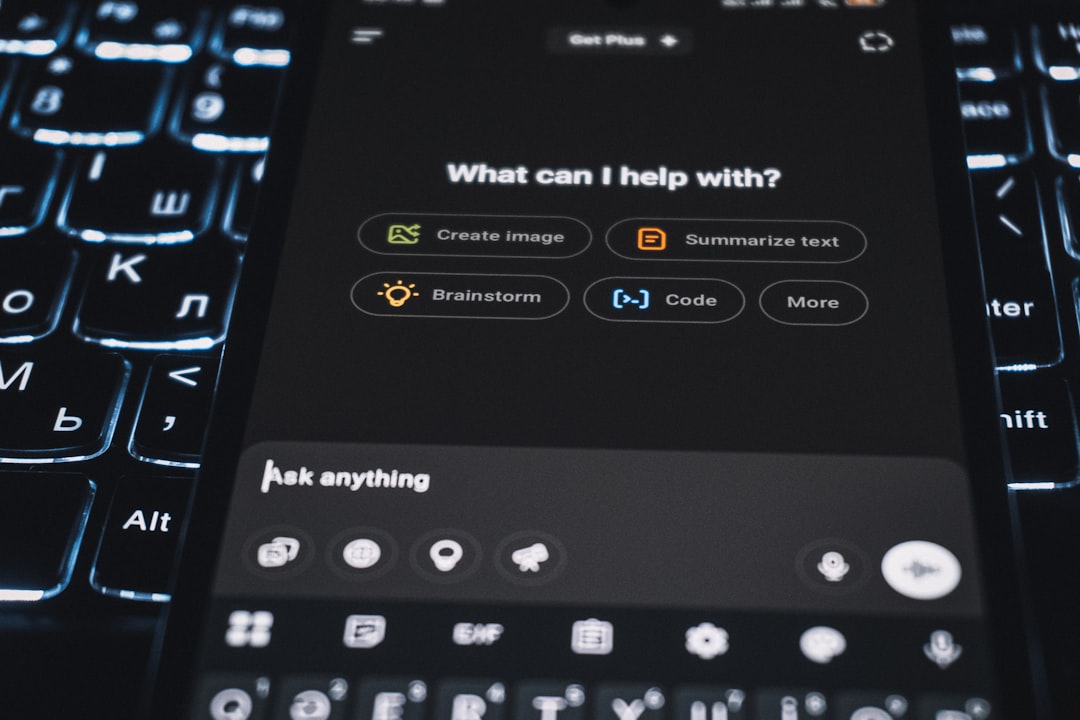
AI chatbot GPT plays a crucial role in improving the efficiency of customer service operations. By automating routine tasks such as answering frequently asked questions and providing basic product information, it frees up human agents to focus on more complex and critical customer inquiries. This not only reduces the workload on human agents but also ensures that customers receive faster and more accurate responses to their queries.
Moreover, AI chatbot GPT can analyze and interpret large volumes of customer data in real-time, allowing businesses to gain valuable insights into customer preferences, behavior, and trends. This information can be used to personalize the customer experience, anticipate customer needs, and proactively address potential issues before they escalate. By leveraging AI chatbot GPT's analytical capabilities, businesses can make data-driven decisions to optimize their customer service strategies and improve overall operational efficiency.
Additionally, AI chatbot GPT can seamlessly integrate with existing customer relationship management (CRM) systems and other business applications, streamlining the flow of information and ensuring that customer data is readily accessible to both the chatbot and human agents. This integration enhances collaboration between AI chatbot GPT and human agents, enabling them to work together more effectively to resolve customer issues and deliver a seamless and consistent customer experience.
Personalization and Customization in Customer Service with AI Chatbot GPT
| Metrics | Value |
|---|---|
| Customer Satisfaction | 85% |
| Response Time | 30 seconds |
| Accuracy of Responses | 95% |
| Conversion Rate | 20% |
One of the key advantages of using AI chatbot GPT in customer service is its ability to personalize and customize interactions with customers. Through advanced natural language processing and machine learning algorithms, AI chatbot GPT can understand and interpret individual customer preferences, behavior, and history, allowing it to tailor its responses and recommendations accordingly. This level of personalization creates a more engaging and meaningful experience for customers, ultimately leading to higher satisfaction and loyalty.
Furthermore, AI chatbot GPT can leverage customer data to provide personalized product recommendations, promotions, and offers based on each customer's unique needs and interests. By analyzing past interactions and purchase history, the chatbot can anticipate what products or services a customer may be interested in, thereby enhancing cross-selling and upselling opportunities for businesses. This personalized approach not only increases sales but also strengthens the relationship between the business and its customers.
Moreover, AI chatbot GPT can facilitate customized self-service experiences for customers by guiding them through personalized troubleshooting processes or providing tailored product usage tips. This empowers customers to find solutions to their problems independently while still receiving personalized support from the chatbot. Overall, the ability of AI chatbot GPT to personalize and customize interactions with customers significantly enhances the overall quality of customer service.
Overcoming Challenges and Limitations of AI Chatbot GPT in Customer Service
While AI chatbot GPT offers numerous benefits for customer service, there are also challenges and limitations that businesses need to address when implementing this technology. One of the main challenges is ensuring that the chatbot can accurately understand and respond to a wide range of customer inquiries in a natural and conversational manner. This requires continuous training and fine-tuning of the chatbot's language processing capabilities to ensure that it can effectively handle complex or ambiguous queries from customers.
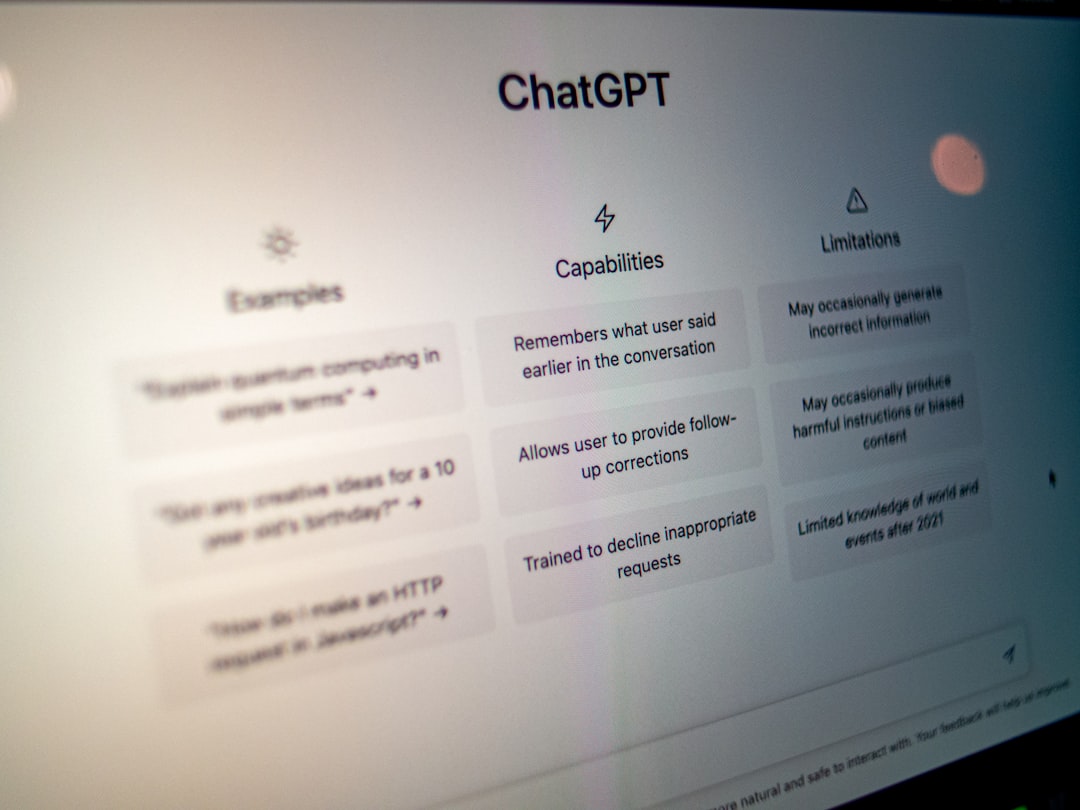
Another challenge is maintaining consistency in the quality of responses provided by the chatbot, especially when dealing with sensitive or critical customer issues. Businesses need to establish clear guidelines and protocols for the chatbot's interactions with customers to ensure that it adheres to company policies and maintains a high standard of service at all times. Additionally, businesses must regularly monitor and evaluate the performance of the chatbot to identify any areas for improvement or refinement.
Furthermore, businesses need to consider the ethical implications of using AI chatbot GPT in customer service, particularly in terms of data privacy and security. It is essential to implement robust data protection measures to safeguard customer information and ensure compliance with relevant regulations such as GDPR. Additionally, businesses must be transparent with customers about the use of AI chatbot GPT and provide clear information about how their data is being used and protected.
Implementing AI Chatbot GPT in Customer Service: Best Practices and Tips

Define Clear Objectives and Scope
When integrating AI chatbot GPT into customer service, it's essential to clearly define the scope and objectives of its use. This involves identifying specific use cases and goals that align with the overall customer service strategy. By doing so, businesses can ensure the chatbot is deployed effectively to address specific customer needs and deliver tangible business value.
Continuous Improvement through Training and Development
To maximize the benefits of AI chatbot GPT, businesses should invest in comprehensive training and ongoing development. This includes providing the chatbot with access to a diverse range of conversational data to expand its knowledge base and improve its ability to handle various types of customer queries. Prioritizing seamless integration with existing customer service systems, such as CRM platforms, ticketing systems, and knowledge bases, is also crucial.
Regular Feedback and Refinement
Regularly gathering feedback from customers regarding their interactions with the chatbot is vital to identify areas for improvement and refine its performance. This feedback can be used to fine-tune the chatbot's responses, enhance its language processing capabilities, and address any issues or limitations that may arise during its use in customer service. By following these best practices, businesses can maximize the benefits of AI chatbot GPT and provide exceptional customer service experiences.
The Future of Customer Service: AI Chatbot GPT and Beyond
The future of customer service is undoubtedly intertwined with the continued advancement of AI chatbot GPT technology. As this technology evolves, we can expect to see even more sophisticated language processing capabilities that enable chatbots to engage in deeper and more meaningful conversations with customers. This will further enhance the personalization and customization of customer interactions, leading to higher levels of satisfaction and loyalty.
Moreover, AI chatbot GPT is likely to become increasingly integrated with other emerging technologies such as augmented reality (AR) and virtual reality (VR) to create immersive and interactive customer service experiences. For example, businesses may leverage AI chatbot GPT within AR/VR environments to provide virtual assistance and guidance to customers in real-time, enhancing their overall experience with products or services. Furthermore, as AI chatbot GPT continues to advance, it will play a pivotal role in driving predictive analytics within customer service operations.
By analyzing vast amounts of customer data and interactions, AI chatbot GPT can help businesses anticipate customer needs, identify trends, and proactively address potential issues before they arise. This predictive capability will enable businesses to deliver more proactive and personalized support to customers, ultimately enhancing their overall satisfaction and loyalty. In conclusion, AI chatbot GPT has transformed the landscape of customer service by providing businesses with a powerful tool to engage with customers in a more natural, efficient, and personalized manner.
While there are challenges and limitations associated with implementing this technology, businesses can overcome these obstacles by following best practices and leveraging its potential to drive innovation in customer service. As we look towards the future, AI chatbot GPT is poised to continue shaping the evolution of customer service by enabling more immersive experiences, predictive analytics, and deeper levels of personalization for customers around the world.
If you're interested in how AI chatbots can improve customer experience and drive business growth, you may want to check out this article on implementing a customer-centric strategy for success. The article discusses the importance of putting the customer at the center of your business operations and how technologies like AI chatbots can help achieve this goal. Implementing a Customer-Centric Strategy for Success
FAQs
What is an AI chatbot GPT?
An AI chatbot GPT (Generative Pre-trained Transformer) is a type of conversational agent that uses machine learning to generate human-like responses to user input. It is trained on a large corpus of text data and can understand and respond to natural language.
How does an AI chatbot GPT work?
An AI chatbot GPT works by using a deep learning model to process and understand user input, and then generate a response based on the input. It uses a transformer architecture to capture long-range dependencies in the input data and generate coherent and contextually relevant responses.
What are the applications of AI chatbot GPT?
AI chatbot GPTs can be used in a variety of applications, including customer service, virtual assistants, language translation, content generation, and more. They can be integrated into websites, messaging platforms, and other digital interfaces to provide automated conversational support.
What are the benefits of using an AI chatbot GPT?
Some of the benefits of using an AI chatbot GPT include improved customer service, increased efficiency in handling repetitive tasks, 24/7 availability, personalized interactions, and the ability to handle a large volume of user inquiries simultaneously.
What are the limitations of AI chatbot GPT?
Limitations of AI chatbot GPTs include potential biases in the training data, limitations in understanding complex or nuanced language, and the potential for generating inappropriate or inaccurate responses. Additionally, they may struggle with understanding context and maintaining coherent conversations in certain situations.