
Multimodal AI: Enhancing Omnichannel Customer Experiences.
Multimodal AI integrates multiple input and output modes in artificial intelligence systems, including text, speech, images, and other data types. This integration enables AI to better comprehend human communication and behavior, facilitating more natural and effective human-AI interactions. A key advantage of multimodal AI is its capacity to process and interpret information from diverse sources.
For instance, a multimodal AI system can analyze both text and images in a social media post to grasp the full context and sentiment of the message. This comprehensive understanding allows for more accurate and personalized responses, enhancing customer experiences. Furthermore, multimodal AI enables more intuitive interactions with AI systems.
A virtual assistant capable of understanding both voice commands and visual cues can provide a more seamless and user-friendly experience. This feature is particularly valuable in customer service applications, where users may prefer different communication modes depending on the situation.
Key Takeaways
- Multimodal AI combines different modes of communication, such as text, speech, and images, to understand and interact with users.
- Omnichannel customer experiences are crucial for providing a seamless and consistent interaction across various touchpoints.
- Multimodal AI can be used to personalize interactions with customers by understanding their preferences and behavior.
- Multimodal AI enhances customer engagement by providing a more interactive and immersive experience.
- Implementing Multimodal AI comes with challenges such as data privacy, integration with existing systems, and ensuring accuracy and reliability.
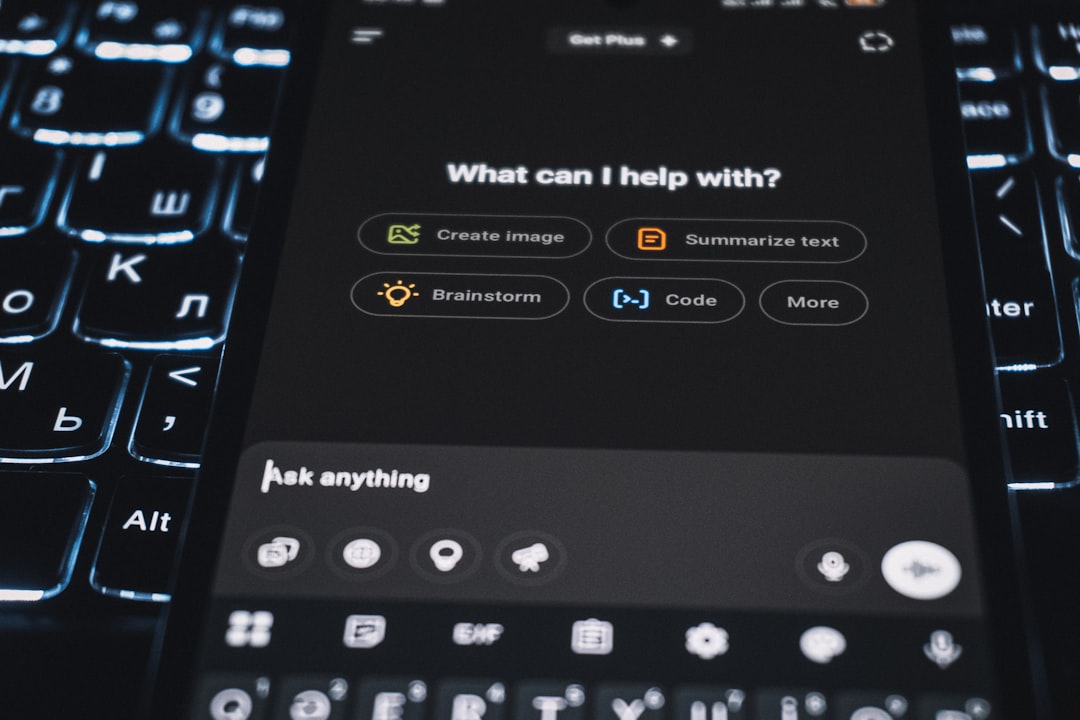
The Importance of Omnichannel Customer Experiences
The Power of Personalization
One of the key benefits of omnichannel customer experiences is the ability to provide a more personalized and targeted approach to customer engagement. By leveraging data from multiple channels, businesses can gain a more comprehensive understanding of their customers' preferences and behaviors. This allows for more tailored marketing campaigns, product recommendations, and customer service interactions, leading to higher customer satisfaction and loyalty.
Operational Efficiency and Cost Savings
Furthermore, omnichannel customer experiences can also improve operational efficiency for businesses. By integrating data and processes across different channels, businesses can streamline their operations and provide a more consistent experience for both customers and employees. This can lead to cost savings and improved productivity, ultimately benefiting the bottom line.
A Seamless Experience Across All Touchpoints
In today's digital world, customers expect a seamless experience across all touchpoints. Omnichannel customer experiences provide businesses with the opportunity to deliver on this expectation, leading to increased customer satisfaction, loyalty, and ultimately, revenue growth.
Leveraging Multimodal AI for Personalized Interactions


Multimodal AI has the potential to revolutionize personalized interactions with customers. By integrating multiple modes of input and output, businesses can gain a more comprehensive understanding of their customers' preferences and behaviors, allowing for more targeted and effective communication. For example, a retail company could use multimodal AI to analyze both text and images from social media posts to understand customers' preferences and sentiment towards their products.
This information could then be used to personalize marketing campaigns and product recommendations, leading to higher conversion rates and customer satisfaction. In addition, multimodal AI can also enable more natural and intuitive interactions with virtual assistants and chatbots. By understanding both voice commands and visual cues, these AI systems can provide a more seamless and user-friendly experience for customers.
This can be particularly valuable in customer service applications, where personalized and efficient interactions are crucial for customer satisfaction.
Enhancing Customer Engagement with Multimodal AI
Multimodal AI has the potential to significantly enhance customer engagement across various touchpoints. By integrating multiple modes of input and output, businesses can create more personalized and interactive experiences for their customers. For instance, a travel company could use multimodal AI to analyze both text and images from customer inquiries to provide personalized travel recommendations.

This could include tailored destination suggestions based on the customer's preferences and sentiment analysis of their travel-related posts on social media. This level of personalization can lead to higher customer satisfaction and loyalty. Furthermore, multimodal AI can also be used to enhance customer engagement through virtual try-on experiences for retail products.
By analyzing both images of the customer and the product, businesses can provide more accurate size recommendations and personalized styling advice. This can create a more immersive and interactive shopping experience, leading to higher conversion rates and customer satisfaction.
Overcoming Challenges in Implementing Multimodal AI
While multimodal AI offers significant potential for improving customer experiences, there are also challenges that businesses must overcome when implementing these technologies. One of the key challenges is the integration of data from multiple sources. Businesses must ensure that they have the infrastructure and processes in place to collect, analyze, and interpret data from various modes of input.
This may require significant investment in data management systems and analytics capabilities. Another challenge is ensuring the accuracy and reliability of multimodal AI systems. These systems must be able to effectively process and interpret data from different sources in order to provide meaningful insights and personalized interactions.
Businesses must invest in robust training data sets and algorithms to ensure the accuracy of their multimodal AI systems. Additionally, businesses must also consider the ethical implications of using multimodal AI for customer interactions. This includes ensuring the privacy and security of customer data, as well as addressing potential biases in the algorithms used to interpret multimodal data.
Case Studies: Successful Implementation of Multimodal AI

Personalized Product Recommendations
A leading e-commerce company used multimodal AI to analyze both text and images from customer reviews to gain insights into product preferences and sentiment. This allowed them to personalize product recommendations and marketing campaigns, leading to higher conversion rates and customer satisfaction.
Enhanced Customer Service
In another case, a telecommunications company used multimodal AI to analyze both voice calls and chat interactions with customers to provide more personalized customer service. By understanding both spoken and written communication, they were able to provide more accurate and efficient support, leading to higher customer satisfaction scores.
Tailored Travel Packages
Furthermore, a travel agency used multimodal AI to analyze both text inquiries and images from social media posts to provide personalized travel recommendations. This allowed them to create more tailored travel packages for their customers, leading to higher engagement and loyalty.
The Future of Multimodal AI in Omnichannel Customer Experiences
The future of multimodal AI in omnichannel customer experiences is promising, with continued advancements in technology driving new opportunities for businesses to enhance their customer interactions. One area of growth is the integration of multimodal AI with augmented reality (AR) and virtual reality (VR) technologies. This will enable businesses to create more immersive and interactive experiences for their customers, such as virtual try-on experiences for retail products or virtual tours for travel destinations.
Another area of development is the use of multimodal AI in voice-based interactions, such as virtual assistants and smart speakers. By integrating visual cues with voice commands, businesses can create more intuitive and natural interactions with their customers, leading to higher engagement and satisfaction. Furthermore, advancements in natural language processing (NLP) and computer vision technologies will continue to improve the accuracy and reliability of multimodal AI systems, enabling businesses to gain deeper insights into customer preferences and behaviors.
In conclusion, multimodal AI has the potential to revolutionize omnichannel customer experiences by providing more personalized, interactive, and seamless interactions with customers. While there are challenges in implementing these technologies, successful case studies demonstrate the significant benefits that businesses can achieve by leveraging multimodal AI. As technology continues to advance, the future of multimodal AI in omnichannel customer experiences looks promising, with new opportunities for businesses to enhance their customer interactions across various touchpoints.
If you're interested in learning more about implementing a customer-centric strategy for small business growth, check out this article on Claydy. It provides valuable insights into how businesses can enhance their customer experiences across different channels, which aligns with the concept of Multimodal AI discussed in the main article. By focusing on the needs and preferences of their customers, businesses can create a more seamless and personalized omnichannel experience.
FAQs
What is multimodal AI?
Multimodal AI refers to artificial intelligence systems that can process and understand multiple modes of input, such as text, speech, images, and video. This allows AI to interact with users in a more natural and intuitive way.
How does multimodal AI enhance omnichannel customer experiences?
Multimodal AI can enhance omnichannel customer experiences by providing a seamless and consistent interaction across different channels, such as websites, mobile apps, social media, and physical stores. It can understand and respond to customer queries in various formats, leading to a more personalized and efficient customer experience.
What are the benefits of using multimodal AI in customer service?
Using multimodal AI in customer service can lead to improved customer satisfaction, reduced response times, increased efficiency, and cost savings. It can also enable businesses to gather valuable insights from customer interactions across different channels.
How is multimodal AI being used in the retail industry?
In the retail industry, multimodal AI is being used to provide personalized product recommendations, assist customers with visual search, enable voice-activated shopping, and offer virtual try-on experiences. This helps retailers create a more engaging and convenient shopping experience for their customers.
What are some potential challenges of implementing multimodal AI in customer experiences?
Challenges of implementing multimodal AI in customer experiences include ensuring data privacy and security, managing the complexity of integrating AI across different channels, and addressing potential biases in AI algorithms. It also requires ongoing training and maintenance to ensure the AI system remains accurate and up to date.