
Conversational Intelligence: The Future of AI Chatbots and Virtual Assistants.
Chatbots and virtual assistants have evolved significantly since their inception. The development of these AI-powered tools can be traced to the early days of computer programming, when basic chatbots were created to mimic human conversation. These initial chatbots had limited capabilities and primarily relied on pre-programmed responses.
Advancements in natural language processing (NLP) and machine learning have led to more sophisticated chatbots and virtual assistants capable of understanding and responding to human language in a more natural and conversational manner. Today, these AI tools are integrated into various platforms and devices, including messaging apps and smart speakers, and are utilized for customer service, information retrieval, and task automation. The evolution of chatbots and virtual assistants has been driven by the increasing demand for more personalized and efficient interactions with technology.
Conversational intelligence has become a key focus in the development of AI-powered conversational agents, enabling them to understand context, emotions, and intent, and to engage in more human-like conversations. Conversational intelligence plays a crucial role in the development of AI-powered chatbots and virtual assistants. It refers to the ability of these conversational agents to understand and respond to human language in a natural and contextually relevant manner.
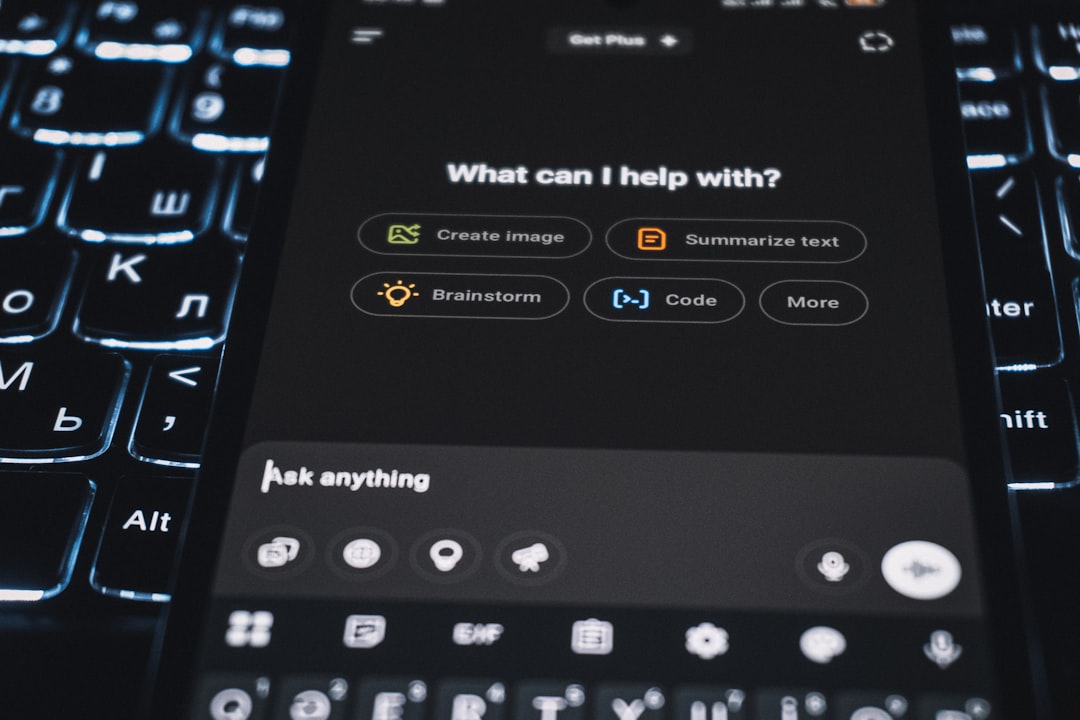
This involves understanding not only the words being spoken or typed but also the underlying meaning, intent, and emotions behind them. Advanced NLP techniques, such as sentiment analysis, entity recognition, and context understanding, as well as machine learning algorithms, are used to achieve conversational intelligence. These technologies enable conversational agents to learn from interactions and improve their responses over time, leading to more meaningful and effective conversations with users and a more satisfying user experience.
Conversational intelligence also allows chatbots and virtual assistants to adapt to different communication styles and preferences, making interactions feel more personalized and human-like. This adaptability is particularly important in applications such as customer service, where the ability to understand and empathize with users can significantly enhance the quality of the interaction.
Key Takeaways
- Chatbots and virtual assistants have evolved from simple rule-based systems to sophisticated AI-powered conversational agents.
- Conversational intelligence in AI enables machines to understand and respond to human language in a more natural and human-like manner.
- Conversational intelligence has a significant impact on user experience by providing personalized and efficient interactions.
- Businesses can benefit from conversational intelligence through improved customer service, increased efficiency, and better data collection.
- Challenges in implementing conversational intelligence include natural language understanding, privacy concerns, and maintaining ethical standards.
Understanding the Impact of Conversational Intelligence on User Experience
Understanding User Intent
One of the key impacts of conversational intelligence on user experience is the ability of chatbots and virtual assistants to understand user intent and provide relevant and helpful responses. This reduces the need for users to repeat themselves or provide additional context, leading to more efficient and seamless interactions.
Personalized Interactions
Conversational intelligence allows these conversational agents to adapt to different communication styles and preferences, making interactions feel more personalized and human-like. This leads to a more engaging and effective user experience.
Emotional Intelligence
Furthermore, conversational intelligence enables chatbots and virtual assistants to recognize and respond to user emotions, leading to more empathetic and supportive interactions. This can be particularly beneficial in applications such as mental health support or customer service, where understanding and empathizing with users' emotions is crucial for providing effective assistance.
The Benefits of Conversational Intelligence for Businesses


Conversational intelligence offers a range of benefits for businesses that implement AI-powered chatbots and virtual assistants. One of the key benefits is improved customer satisfaction, as conversational intelligence enables these conversational agents to understand and respond to user queries in a more natural and contextually relevant manner, leading to more satisfying interactions. Additionally, conversational intelligence also leads to more efficient interactions, as chatbots and virtual assistants are able to understand user intent and provide relevant responses without the need for users to repeat themselves or provide additional context.
This can lead to time savings for both users and businesses, as well as increased productivity. Furthermore, conversational intelligence can also lead to cost savings for businesses, as it enables them to automate repetitive tasks and provide support at scale without the need for human intervention. This can be particularly beneficial in applications such as customer service, where chatbots can handle a large volume of inquiries while freeing up human agents to focus on more complex or high-value tasks.
Overcoming Challenges in Implementing Conversational Intelligence
While conversational intelligence offers many benefits, there are also challenges that businesses may face when implementing AI-powered chatbots and virtual assistants with conversational intelligence. One of the key challenges is ensuring that these conversational agents are able to understand and respond to user queries in a natural and contextually relevant manner across different languages and dialects. Another challenge is ensuring that these conversational agents are able to recognize and respond to user emotions in a sensitive and appropriate manner.
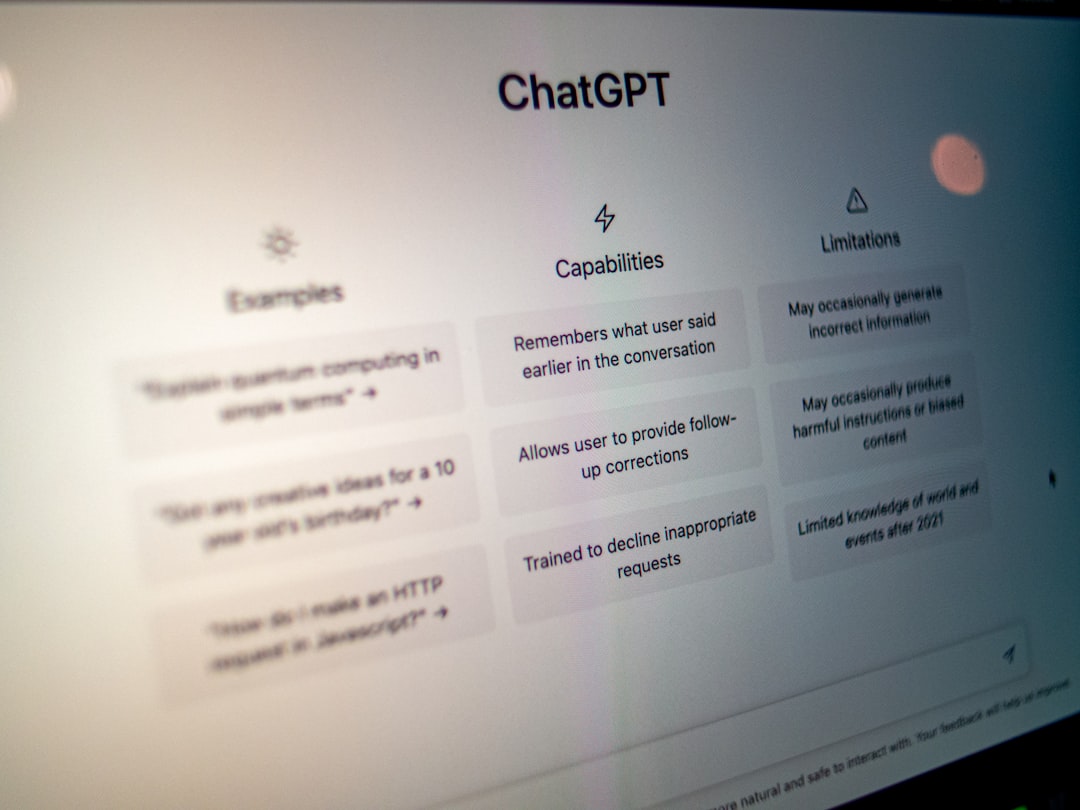
This requires advanced NLP techniques such as sentiment analysis, as well as careful design and training to ensure that the conversational agent's responses are empathetic and supportive. Furthermore, businesses may also face challenges in integrating conversational intelligence into their existing systems and processes, as well as ensuring that these conversational agents comply with privacy and data protection regulations. This requires careful planning and coordination across different departments within the organization.
The Future of AI Chatbots and Virtual Assistants with Conversational Intelligence
The future of AI-powered chatbots and virtual assistants with conversational intelligence looks promising, with continued advancements in NLP, machine learning, and other AI technologies driving further improvements in their capabilities. One key area of development is the ability of these conversational agents to engage in more natural and contextually relevant conversations across different languages and dialects, as well as their ability to recognize and respond to user emotions in a sensitive and appropriate manner. Another area of development is the integration of conversational intelligence into new platforms and devices, enabling chatbots and virtual assistants to provide support across a wider range of applications.
This includes smart home devices, automotive systems, healthcare applications, and more, where conversational intelligence can greatly enhance the user experience. Furthermore, the future of AI chatbots and virtual assistants with conversational intelligence also involves advancements in their ability to understand complex queries and provide more personalized responses based on user preferences and past interactions. This will further enhance the quality of interactions with these conversational agents, leading to more satisfying user experiences.
Ethical Considerations in Conversational Intelligence Development

Respecting User Privacy and Emotions
As AI-powered chatbots and virtual assistants become increasingly prevalent, it is crucial to consider the ethical implications of their development and use. One key ethical consideration is ensuring that these conversational agents are designed and trained to respect user privacy and data protection regulations, as well as to handle sensitive information in a secure and responsible manner. Additionally, they must be designed to recognize and respond to user emotions in a sensitive and appropriate manner, particularly in applications such as mental health support or counseling.
The Impact on Employment and Human Capabilities
Businesses developing AI chatbots and virtual assistants with conversational intelligence must also consider the potential impact of these technologies on employment, as they have the potential to automate repetitive tasks traditionally performed by humans. This requires careful planning and consideration of how these technologies can be used to augment human capabilities rather than replace them.
The Future of Conversational Intelligence
In conclusion, conversational intelligence plays a crucial role in the development of AI-powered chatbots and virtual assistants, enabling them to understand and respond to human language in a natural and contextually relevant manner. This has significant impacts on user experience, offering benefits such as improved customer satisfaction, more efficient interactions, and cost savings for businesses. However, it also presents challenges such as language diversity or privacy concerns. The future of AI chatbots with conversational intelligence looks promising with advancements in NLP technology driving further improvements in their capabilities, while ethical considerations must be taken into account for responsible development and use.
If you're interested in learning more about how conversational intelligence can be applied to small business growth, check out this article on implementing a customer-centric strategy for success. This article provides valuable insights into how businesses can use conversational intelligence to enhance their customer interactions and ultimately drive growth. Small Business Growth: Implementing a Customer-Centric Strategy for Success
FAQs
What is Conversational Intelligence?
Conversational Intelligence refers to the ability of AI chatbots and virtual assistants to understand and respond to human language in a natural and conversational manner.
How do AI chatbots and virtual assistants use Conversational Intelligence?
AI chatbots and virtual assistants use natural language processing (NLP) and machine learning algorithms to understand and interpret human language, allowing them to engage in meaningful conversations with users.
What are the benefits of Conversational Intelligence in AI chatbots and virtual assistants?
Conversational Intelligence allows AI chatbots and virtual assistants to provide more personalized and efficient interactions with users, leading to improved customer satisfaction and enhanced user experience.
What are some examples of AI chatbots and virtual assistants using Conversational Intelligence?
Examples of AI chatbots and virtual assistants using Conversational Intelligence include virtual customer service agents, virtual personal assistants, and chatbots for various industries such as healthcare, finance, and e-commerce.
What is the future of Conversational Intelligence in AI chatbots and virtual assistants?
The future of Conversational Intelligence in AI chatbots and virtual assistants is expected to involve advancements in natural language understanding, emotional intelligence, and the ability to handle more complex and nuanced conversations.