
Empowering Businesses with AI Chatbots and Virtual Assistants
In recent years, the use of AI chatbots and virtual assistants has seen a significant rise in the business world. These intelligent systems are designed to simulate human conversation and perform tasks autonomously, making them valuable assets for businesses looking to streamline operations and enhance customer experiences. The rise of AI chatbots and virtual assistants can be attributed to advancements in artificial intelligence and natural language processing, which have made it possible for these systems to understand and respond to human queries with a high degree of accuracy.
Additionally, the increasing demand for personalized and efficient customer service has driven businesses to adopt AI chatbots and virtual assistants as a means to meet these expectations. Furthermore, the proliferation of messaging platforms and the growing preference for self-service options have also contributed to the rise of AI chatbots and virtual assistants in business. These systems can be integrated into various communication channels such as websites, mobile apps, and social media platforms, allowing businesses to engage with customers in real-time and provide instant support.
As a result, AI chatbots and virtual assistants have become indispensable tools for businesses looking to stay competitive in today's fast-paced and digitally-driven marketplace.
Key Takeaways
- AI chatbots and virtual assistants are increasingly being used in business for customer service, sales and marketing, operational efficiency, and data analysis.
- They improve customer service by providing instant responses, 24/7 availability, and personalized interactions.
- In sales and marketing, AI chatbots and virtual assistants play a crucial role in lead generation, customer engagement, and personalized marketing campaigns.
- Businesses can enhance operational efficiency by automating repetitive tasks, streamlining processes, and reducing human error with AI chatbots and virtual assistants.
- AI chatbots and virtual assistants can leverage data analysis to provide valuable insights for business decision-making and strategy development.
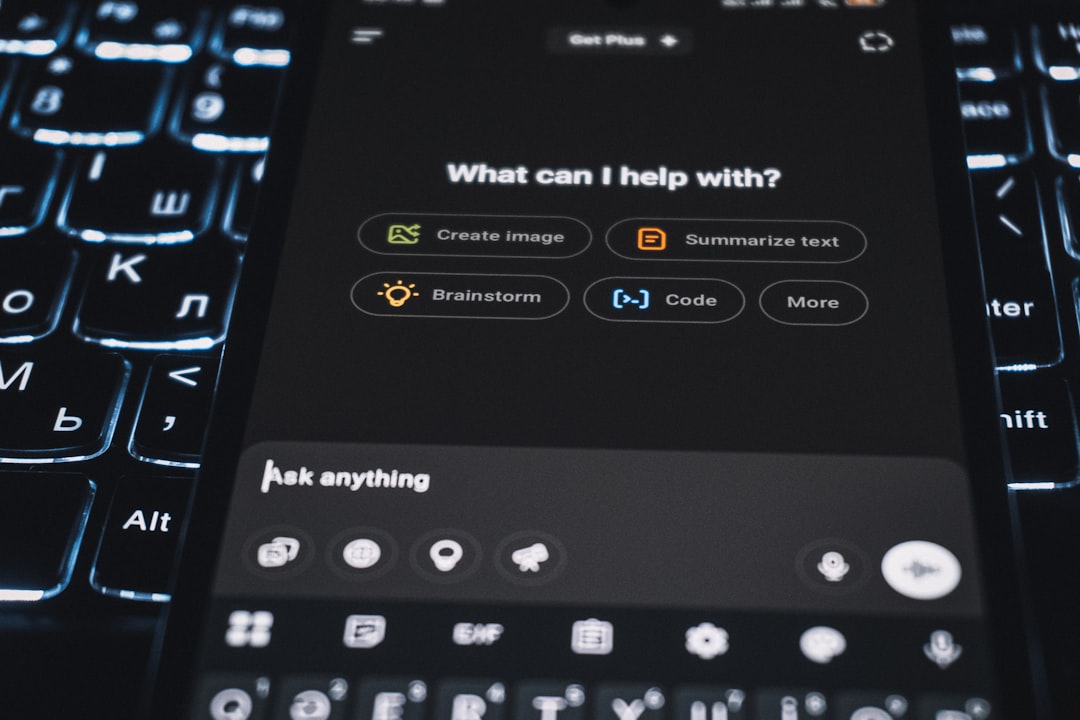
How AI Chatbots and Virtual Assistants Improve Customer Service
Reducing the Burden on Customer Support Teams
By automating customer support, AI chatbots and virtual assistants reduce the burden on customer support teams, ensuring that customers receive prompt and accurate responses to their queries.
Continuous Improvement and 24/7 Availability
AI chatbots and virtual assistants can be programmed to learn from each interaction, continuously improving their responses and providing more relevant information to customers over time. Moreover, they are available 24/7, enabling businesses to offer round-the-clock support to their customers, regardless of their location or time zone.
Scalability and Cost-Effectiveness
These intelligent systems can handle multiple customer inquiries simultaneously, making it possible to scale support operations without significantly increasing costs. As a result, businesses can deliver a seamless and efficient customer service experience, leading to higher satisfaction levels and increased customer loyalty.
The Role of AI Chatbots and Virtual Assistants in Sales and Marketing


AI chatbots and virtual assistants are increasingly being used in sales and marketing to engage with prospects, qualify leads, and drive conversions. These intelligent systems can be integrated into websites and messaging platforms to initiate conversations with visitors, provide product recommendations, and guide them through the sales funnel. By leveraging natural language processing and machine learning algorithms, AI chatbots and virtual assistants can understand customer preferences and behavior, allowing businesses to deliver personalized marketing messages and offers in real-time.
Furthermore, AI chatbots and virtual assistants can assist sales teams by automating lead qualification processes and scheduling appointments with potential customers. This not only saves time for sales representatives but also ensures that leads are promptly followed up on, increasing the likelihood of conversion. Additionally, these intelligent systems can analyze customer data to identify trends and patterns, enabling businesses to optimize their sales and marketing strategies for better results.
As a result, AI chatbots and virtual assistants have become valuable assets for businesses looking to drive revenue growth and improve their overall sales and marketing performance.
Enhancing Operational Efficiency with AI Chatbots and Virtual Assistants
| Metrics | Value |
|---|---|
| Cost Savings | 30% |
| Response Time | Reduced by 50% |
| Customer Satisfaction | Increased by 20% |
| Task Automation | 70% |
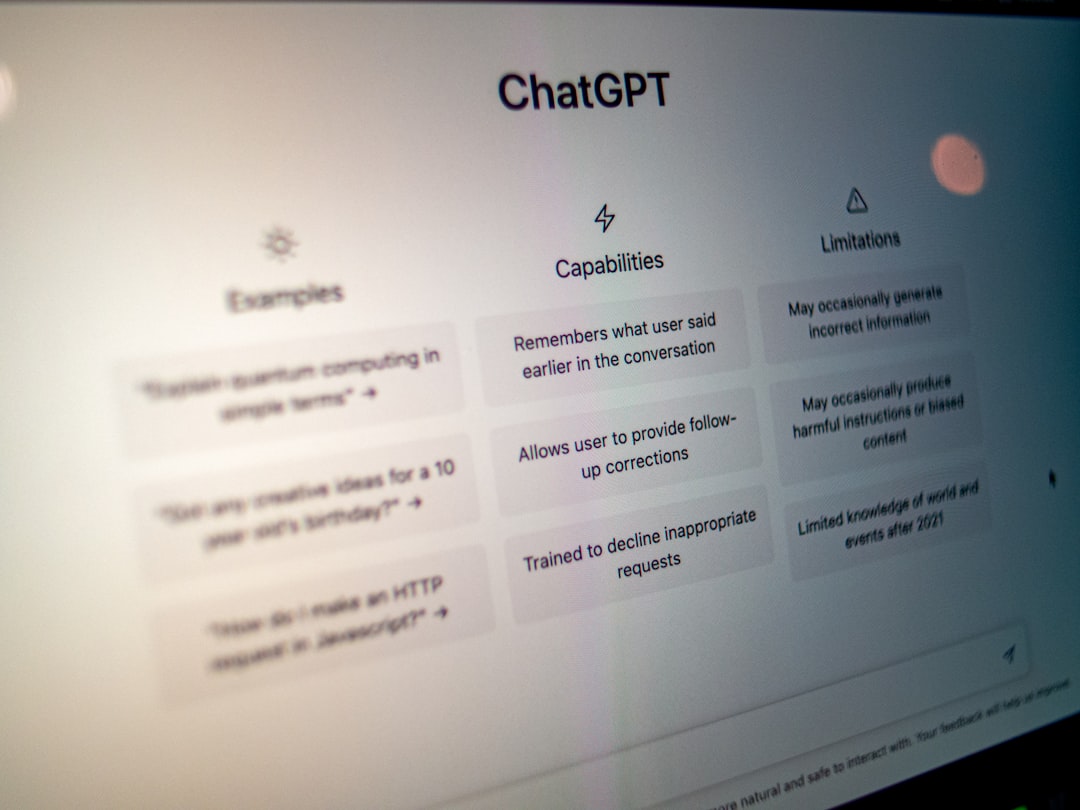
AI chatbots and virtual assistants are instrumental in enhancing operational efficiency by automating repetitive tasks and streamlining internal processes. These intelligent systems can be deployed across various departments within an organization to handle administrative tasks, such as scheduling meetings, managing calendars, and processing routine requests. By offloading these tasks to AI chatbots and virtual assistants, employees can focus on more strategic and value-added activities, leading to increased productivity and efficiency.
Moreover, AI chatbots and virtual assistants can be integrated with enterprise systems such as CRM platforms, ERP software, and helpdesk solutions to facilitate seamless data exchange and workflow automation. This enables businesses to automate data entry, update records in real-time, and trigger actions based on predefined rules, reducing manual effort and minimizing errors. Additionally, these intelligent systems can provide employees with instant access to information and resources, enabling them to make informed decisions and take timely actions.
As a result, AI chatbots and virtual assistants have become essential tools for businesses looking to optimize their operations and drive greater efficiency across the organization.
Leveraging AI Chatbots and Virtual Assistants for Data Analysis and Insights
AI chatbots and virtual assistants are increasingly being leveraged for data analysis and insights, enabling businesses to derive valuable intelligence from the vast amounts of data they generate. These intelligent systems can be programmed to analyze customer interactions, sales transactions, website traffic, and social media engagement to identify trends, patterns, and anomalies. By applying machine learning algorithms, AI chatbots and virtual assistants can uncover actionable insights that can be used to improve decision-making, optimize processes, and drive business growth.
Furthermore, AI chatbots and virtual assistants can assist employees in accessing relevant data and generating reports through natural language queries. This enables businesses to democratize data access across the organization, empowering employees at all levels to make data-driven decisions. Additionally, these intelligent systems can proactively alert employees about important trends or anomalies in the data, enabling them to take timely actions to capitalize on opportunities or mitigate risks.
As a result, AI chatbots and virtual assistants have become invaluable tools for businesses looking to harness the power of data for competitive advantage.
Overcoming Challenges and Maximizing the Potential of AI Chatbots and Virtual Assistants

Accurate Language Understanding
One of the key challenges is ensuring that these intelligent systems are able to understand natural language queries accurately and respond appropriately in a conversational manner. This requires ongoing training and fine-tuning of machine learning models to improve their language understanding capabilities and ensure that they can handle a wide range of queries effectively.
Ethical Implications and Data Protection
Businesses need to consider the ethical implications of using AI chatbots and virtual assistants, particularly in terms of data privacy and security. It is important to implement robust security measures to protect sensitive customer information and ensure compliance with data protection regulations. Furthermore, businesses need to be transparent about the use of AI chatbots and virtual assistants with their customers, clearly communicating how their data is being used and providing options for opting out of automated interactions if desired.
Seamless Integration with Existing Systems
To maximize the potential of AI chatbots and virtual assistants, businesses should also focus on integrating these intelligent systems with existing processes and systems seamlessly. This requires careful planning and collaboration across different departments within the organization to ensure that AI chatbots and virtual assistants are able to access relevant data sources, trigger actions in other systems, and provide a consistent experience across different touchpoints.
The Future of AI Chatbots and Virtual Assistants in Business
Looking ahead, the future of AI chatbots and virtual assistants in business is promising, with continued advancements in artificial intelligence expected to further enhance their capabilities. These intelligent systems will become even more adept at understanding natural language queries, handling complex conversations, and providing personalized recommendations based on individual preferences. Additionally, the integration of AI chatbots and virtual assistants with emerging technologies such as augmented reality (AR) and virtual reality (VR) will enable businesses to deliver immersive customer experiences that go beyond traditional communication channels.
Furthermore, AI chatbots and virtual assistants will play a pivotal role in driving digital transformation initiatives within organizations by automating processes, facilitating data-driven decision-making, and enabling seamless collaboration across different teams. As businesses continue to embrace digitalization, AI chatbots and virtual assistants will become indispensable tools for driving operational efficiency, improving customer experiences, and gaining competitive advantage in the marketplace. In conclusion, the rise of AI chatbots and virtual assistants in business is transforming the way organizations engage with customers, streamline operations, and leverage data for insights.
These intelligent systems offer a wide range of benefits across various business functions, from customer service to sales and marketing, operational efficiency, and data analysis. While there are challenges that need to be addressed in order to maximize their potential, the future of AI chatbots and virtual assistants in business looks promising as advancements in artificial intelligence continue to drive innovation in this space. As businesses continue to embrace digital transformation initiatives, AI chatbots and virtual assistants will play a pivotal role in driving success in the digital age.
If you're interested in developing AI chatbots and virtual assistants for businesses, you may also want to consider implementing a customer-centric strategy for success. This article on small business growth discusses the importance of putting the customer at the center of your business operations and how it can lead to long-term success. Check out the full article here.
FAQs
What are AI chatbots and virtual assistants?
AI chatbots and virtual assistants are computer programs that use artificial intelligence to simulate human conversation and perform tasks for users. They can understand natural language, interpret user requests, and provide relevant information or perform actions.
How can businesses benefit from using AI chatbots and virtual assistants?
Businesses can benefit from using AI chatbots and virtual assistants in various ways, including improving customer service, automating repetitive tasks, providing 24/7 support, increasing efficiency, and reducing operational costs.
What are the key features to consider when developing AI chatbots and virtual assistants for businesses?
Key features to consider when developing AI chatbots and virtual assistants for businesses include natural language processing, machine learning algorithms, integration with business systems, personalized user experiences, and security measures to protect sensitive data.
What are the challenges in developing AI chatbots and virtual assistants for businesses?
Challenges in developing AI chatbots and virtual assistants for businesses include ensuring accuracy and relevance of responses, handling complex user queries, maintaining conversational flow, integrating with existing systems, and addressing privacy and security concerns.
What are some popular platforms and tools for developing AI chatbots and virtual assistants for businesses?
Popular platforms and tools for developing AI chatbots and virtual assistants for businesses include Microsoft Bot Framework, IBM Watson Assistant, Google Dialogflow, Amazon Lex, and open-source frameworks like Rasa and Botpress.