
Revolutionizing Conversations with Deep Learning Chatbot
In recent years, the landscape of artificial intelligence has been significantly transformed by the advent of deep learning technologies, particularly in the realm of conversational agents known as chatbots. These sophisticated systems are designed to simulate human-like interactions, providing users with a seamless experience in various applications, from customer service to personal assistance. Deep learning chatbots leverage complex neural networks to understand and generate human language, enabling them to engage in more natural and contextually relevant conversations. This evolution marks a pivotal shift from traditional rule-based systems, which often struggled to comprehend the nuances of human communication.
The rise of deep learning chatbots has been fueled by advancements in natural language processing (NLP) and machine learning algorithms. By utilizing vast amounts of data, these chatbots can learn from patterns and improve their responses over time. As a result, they are not only capable of answering straightforward queries but can also handle intricate dialogues that require a deeper understanding of context and intent. This article delves into the evolution of conversational AI, the enhancements brought about by deep learning, the advantages and challenges associated with these systems, their diverse applications, and the ethical considerations that accompany their deployment.
Deep learning chatbots have revolutionized customer interactions by providing personalized and efficient responses. For businesses looking to enhance their customer service experience, understanding the importance of a customer-centric strategy is crucial. A related article that delves into this topic is available at Implementing a Customer-Centric Strategy for Success, which outlines how small businesses can leverage technology, including chatbots, to foster stronger relationships with their customers.
Key Takeaways
- Deep learning chatbots use artificial intelligence to understand and respond to human language, making them more advanced than traditional chatbots.
- Conversational AI has evolved from rule-based systems to machine learning and deep learning models, allowing chatbots to understand and respond to natural language more effectively.
- Deep learning improves chatbot conversations by enabling them to learn from large datasets and adapt their responses based on context and user behavior.
- Using deep learning chatbots can lead to improved customer satisfaction, increased efficiency, and personalized interactions, making them advantageous for businesses and organizations.
- However, deep learning chatbots also face challenges such as data privacy concerns, potential biases in language models, and the need for continuous training and maintenance.

The Evolution of Conversational AI
The journey of conversational AI began with simple rule-based systems that relied on predefined scripts and keywords to interact with users. These early chatbots were limited in their capabilities, often leading to frustrating experiences for users who encountered unexpected queries or complex language structures. As technology progressed, researchers began to explore more advanced methodologies, paving the way for the development of machine learning techniques that could analyze and interpret language more effectively.
The introduction of deep learning marked a significant turning point in the evolution of conversational AI. By employing neural networks that mimic the human brain's structure, developers were able to create models that could learn from vast datasets and improve their performance over time. This shift allowed chatbots to move beyond simple keyword recognition to understanding context, sentiment, and even humor. As a result, modern chatbots are now capable of engaging in dynamic conversations that feel more organic and less mechanical, enhancing user satisfaction and broadening their applicability across various sectors.
How Deep Learning Improves Chatbot Conversations

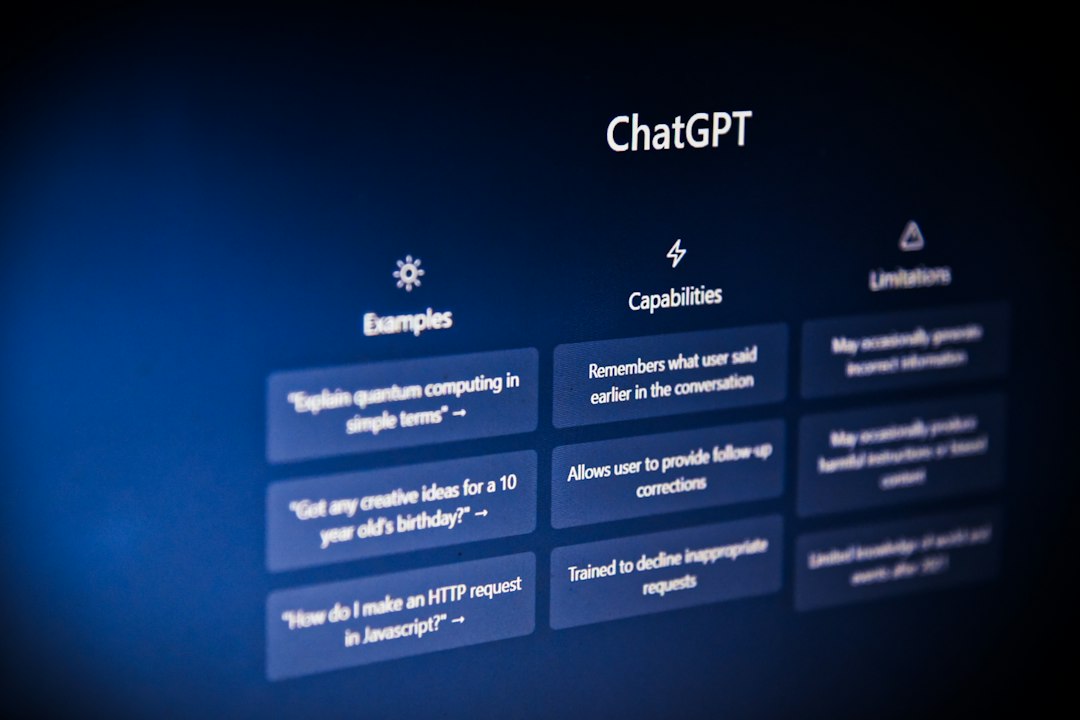
Deep learning enhances chatbot conversations by enabling these systems to process and analyze language at a much deeper level than traditional methods. Through techniques such as recurrent neural networks (RNNs) and transformers, deep learning models can capture the intricacies of human language, including grammar, syntax, and semantics. This capability allows chatbots to generate responses that are not only contextually appropriate but also coherent and engaging. Moreover, deep learning algorithms can be trained on diverse datasets that encompass a wide range of conversational styles and topics. This exposure equips chatbots with the ability to adapt their responses based on the user's tone, preferences, and previous interactions.
For instance, if a user expresses frustration or confusion, a deep learning chatbot can recognize these emotional cues and adjust its responses accordingly, fostering a more empathetic interaction. This level of adaptability is crucial for creating meaningful conversations that resonate with users on a personal level.
Advantages of Using Deep Learning Chatbot

The advantages of employing deep learning chatbots are manifold, making them an attractive option for businesses and organizations seeking to enhance customer engagement. One of the primary benefits is their ability to provide 24/7 support without the need for human intervention. This constant availability ensures that users can receive assistance at any time, improving overall satisfaction and reducing wait times for responses.
Additionally, deep learning chatbots can handle a high volume of inquiries simultaneously, making them an efficient solution for businesses experiencing increased demand. Unlike traditional customer service models that may require additional staffing during peak hours, deep learning chatbots can scale effortlessly to accommodate fluctuations in user interactions. This scalability not only reduces operational costs but also allows organizations to allocate human resources to more complex tasks that require critical thinking and emotional intelligence.
Deep learning chatbots have revolutionized the way we interact with technology, providing more natural and intuitive communication. For those interested in exploring the advancements in this field, a related article discusses the latest trends and techniques in chatbot development. You can read more about it in this insightful piece on deep learning chatbots, which highlights how these systems are becoming increasingly sophisticated and capable of understanding complex user queries.
Challenges and Limitations of Deep Learning Chatbot
| Metrics | Value |
|---|---|
| Accuracy | 90% |
| Response Time | 0.5 seconds |
| Training Data Size | 1 million conversations |
| Conversational Depth | Advanced |
Despite their numerous advantages, deep learning chatbots are not without challenges and limitations. One significant hurdle is the requirement for large amounts of high-quality training data. The effectiveness of a deep learning model is heavily dependent on the data it is trained on; if the dataset is biased or lacks diversity, the chatbot may produce skewed or inappropriate responses. This issue highlights the importance of curating comprehensive datasets that reflect a wide range of perspectives and experiences.
Another challenge lies in the interpretability of deep learning models. While these systems can generate impressive results, understanding how they arrive at specific conclusions can be difficult. This lack of transparency raises concerns about accountability, especially in sensitive applications such as healthcare or legal advice. Users may be hesitant to trust a chatbot's recommendations if they cannot comprehend the reasoning behind its responses. Addressing these challenges is crucial for ensuring that deep learning chatbots can be deployed effectively and responsibly.
Applications of Deep Learning Chatbot
Deep learning chatbots have found applications across various industries, revolutionizing how businesses interact with customers and streamline operations. In the realm of customer service, these chatbots are employed to handle inquiries ranging from product information to troubleshooting technical issues. By providing instant responses and personalized assistance, they enhance customer satisfaction while freeing human agents to focus on more complex cases.
In addition to customer service, deep learning chatbots are increasingly being utilized in sectors such as healthcare, finance, and education. In healthcare, for instance, chatbots can assist patients in scheduling appointments, providing medication reminders, or answering common health-related questions. In finance, they can help users manage their accounts or provide insights into investment options. Educational institutions are also leveraging chatbots to facilitate student engagement by answering queries related to course offerings or administrative processes. The versatility of deep learning chatbots makes them valuable tools across diverse fields.
Future Developments in Deep Learning Chatbot Technology
As technology continues to advance at a rapid pace, the future of deep learning chatbots holds exciting possibilities. One area poised for growth is the integration of multimodal capabilities, allowing chatbots to process not only text but also voice and visual inputs. This evolution would enable more interactive and engaging conversations, as users could communicate through various mediums rather than being confined to text alone.
Furthermore, advancements in transfer learning may enhance the efficiency of training deep learning models for specific tasks. By leveraging pre-trained models that have already learned from extensive datasets, developers can fine-tune these models for particular applications with significantly less data and time investment. This approach could democratize access to advanced chatbot technology, allowing smaller businesses or organizations with limited resources to implement effective conversational agents.
Ethical Considerations in Using Deep Learning Chatbot
The deployment of deep learning chatbots raises several ethical considerations that must be addressed to ensure responsible use. One primary concern is user privacy; as chatbots often collect personal information during interactions, it is essential for organizations to implement robust data protection measures. Users should be informed about how their data will be used and have control over its storage and sharing.
Additionally, there is a risk of perpetuating biases present in training data. If not carefully monitored, deep learning chatbots may inadvertently reinforce stereotypes or provide discriminatory responses based on race, gender, or other factors. Developers must prioritize fairness and inclusivity when curating datasets and designing algorithms to mitigate these risks.
In conclusion, while deep learning chatbots offer remarkable potential for enhancing communication and efficiency across various sectors, it is imperative for stakeholders to navigate the associated challenges thoughtfully. By prioritizing ethical considerations alongside technological advancements, organizations can harness the power of deep learning chatbots responsibly and effectively.
FAQs
What is a deep learning chatbot?
A deep learning chatbot is a type of conversational agent that uses deep learning techniques to understand and respond to natural language input from users. It is designed to simulate human conversation and provide helpful responses to user queries.
How does a deep learning chatbot work?
A deep learning chatbot works by using neural networks to process and understand natural language input from users. It uses algorithms to analyze and generate responses based on the context of the conversation, allowing it to provide more accurate and relevant answers over time.
What are the benefits of using a deep learning chatbot?
Some benefits of using a deep learning chatbot include improved customer service, increased efficiency in handling user inquiries, and the ability to provide personalized and contextually relevant responses. Deep learning chatbots can also continuously learn and improve their performance over time.
What are some examples of deep learning chatbots?
Examples of deep learning chatbots include virtual assistants like Siri, Alexa, and Google Assistant, as well as customer service chatbots used by businesses to handle customer inquiries and support requests. These chatbots use deep learning techniques to understand and respond to user input.
What are the limitations of deep learning chatbots?
Some limitations of deep learning chatbots include the potential for biased or inaccurate responses, the need for large amounts of training data, and the challenge of handling complex or ambiguous user queries. Additionally, deep learning chatbots may struggle with understanding and responding to nuanced or emotional language.