
Balancing AI Automation and Human Touch in Customer Support.
In recent years, AI automation in customer support has experienced significant growth. Businesses are increasingly adopting AI solutions to enhance their customer service operations. AI automation can handle a diverse range of customer inquiries, from basic questions to complex issues, without human intervention.
This technology offers improved efficiency and cost reduction for businesses, as AI can process multiple inquiries simultaneously, 24 hours a day, 7 days a week. Moreover, AI automation provides instant responses to customers, reducing wait times and enhancing overall customer satisfaction. The rise of AI automation in customer support has led to the development of chatbots, which are gaining popularity in the customer service industry.
Chatbots are AI-powered virtual assistants capable of engaging in real-time conversations with customers, offering information and assistance as needed. These chatbots can be integrated into various communication channels, including websites, social media platforms, and messaging applications, enabling businesses to deliver consistent support across multiple platforms. As a result, companies can provide round-the-clock support to their customers without requiring a large team of human agents.
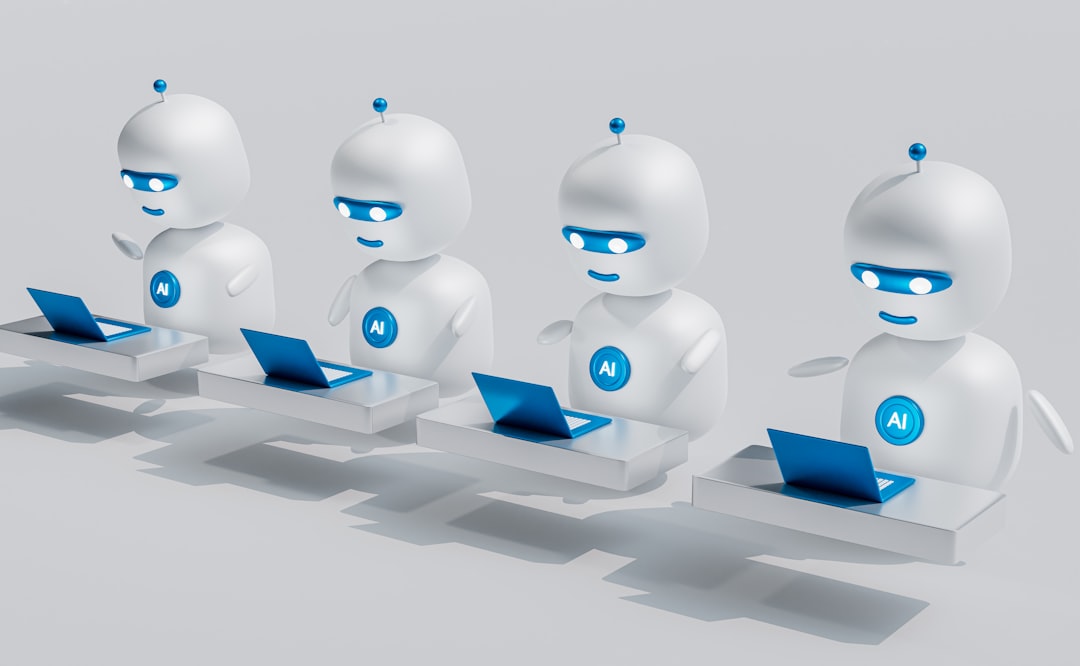
The adoption of AI automation in customer support has transformed the way businesses interact with their customers, offering efficient and effective support at all times.
Key Takeaways
- AI automation is on the rise in customer support, revolutionizing the way businesses interact with their customers.
- Despite the rise of AI, the human touch in customer service remains crucial for building strong customer relationships and loyalty.
- Finding the right balance between AI automation and human interaction is essential for delivering exceptional customer support.
- AI automation in customer support brings benefits such as increased efficiency, 24/7 availability, and cost savings for businesses.
- Human interaction in customer service provides unique value through empathy, understanding, and personalized assistance that AI cannot replicate.
The Importance of Human Touch in Customer Service
The Power of Human Interaction
Human interaction plays a crucial role in building trust and rapport with customers, as it allows for empathy, understanding, and personalized assistance. Unlike AI automation, human agents have the ability to understand the emotions and nuances of customer inquiries, allowing them to provide tailored solutions and emotional support when needed.
Handling Complex Inquiries and Unexpected Situations
Human agents have the ability to handle complex and unique customer inquiries that may be beyond the capabilities of AI automation. They can use their experience, judgment, and critical thinking skills to resolve issues that require a human touch. Additionally, human agents have the capacity to adapt to unexpected situations and provide creative solutions, which is something that AI automation may struggle with.
Striking a Balance between AI Automation and Human Touch
Ultimately, the human touch in customer service is irreplaceable, as it adds a personal and empathetic element to the customer experience that cannot be replicated by AI. Businesses must recognize the value of human interaction in customer service and strive to strike a balance between AI automation and human touch.
Finding the Right Balance Between AI and Human Interaction

Finding the right balance between AI automation and human interaction in customer support is crucial for businesses looking to provide exceptional customer experiences. While AI automation can handle a large volume of inquiries efficiently, it is important to recognize its limitations in understanding complex emotions and providing personalized assistance. On the other hand, human interaction excels in providing empathy, understanding, and creative problem-solving, but may not be as efficient in handling a high volume of inquiries.
Therefore, businesses must find a balance that leverages the strengths of both AI automation and human interaction. One approach to finding this balance is to use AI automation for routine inquiries and simple tasks, while reserving human interaction for more complex and emotionally charged situations. This allows businesses to provide efficient and consistent support for common inquiries through AI automation, while ensuring that human agents are available to provide personalized assistance when needed.
Additionally, businesses can integrate AI automation with human interaction by using AI to assist human agents in providing relevant information and insights during customer interactions. This approach allows businesses to harness the efficiency of AI while maintaining the personal touch of human interaction. Ultimately, finding the right balance between AI automation and human interaction requires a thoughtful and strategic approach that considers the unique strengths of each.
The Benefits of AI Automation in Customer Support
The benefits of AI automation in customer support are numerous and have had a transformative impact on the way businesses interact with their customers. One of the key benefits of AI automation is its ability to handle a large volume of inquiries simultaneously, leading to improved efficiency and cost savings for businesses. This allows businesses to provide round-the-clock support to their customers without the need for a large team of human agents.
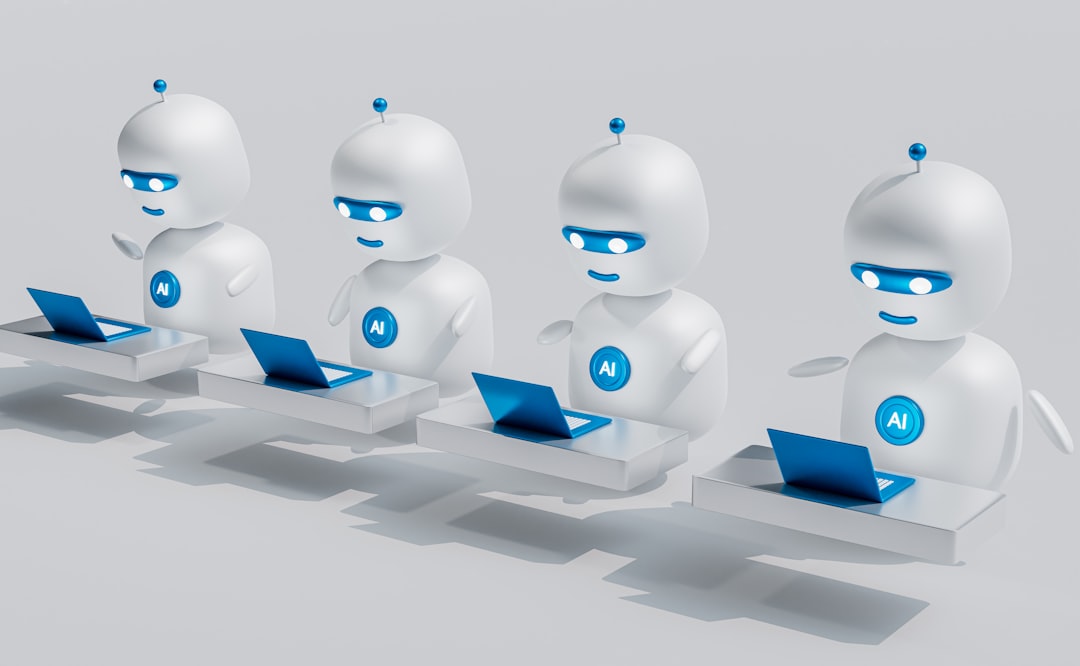
Additionally, AI automation can provide instant responses to customers, reducing wait times and improving overall customer satisfaction. Furthermore, AI automation has the capability to analyze large amounts of data and provide valuable insights into customer behavior and preferences. This allows businesses to personalize their interactions with customers and tailor their support services to meet individual needs.
Additionally, AI automation can help businesses identify trends and patterns in customer inquiries, allowing them to proactively address common issues and improve their overall customer experience. Overall, the benefits of AI automation in customer support are far-reaching, providing businesses with improved efficiency, cost savings, and valuable insights into customer behavior.
The Unique Value of Human Interaction in Customer Service
While AI automation has its benefits, the unique value of human interaction in customer service cannot be overlooked. Human agents have the ability to understand the emotions and nuances of customer inquiries, allowing them to provide personalized assistance and emotional support when needed. This human touch is essential in building trust and rapport with customers, fostering long-term loyalty and satisfaction.
Additionally, human agents have the capacity to handle complex and unique customer inquiries that may be beyond the capabilities of AI automation. Moreover, human interaction adds a personal and empathetic element to the customer experience that cannot be replicated by AI. Human agents have the ability to adapt to unexpected situations and provide creative solutions, which is something that AI automation may struggle with.
Ultimately, the unique value of human interaction in customer service lies in its ability to provide empathy, understanding, and personalized assistance that goes beyond the capabilities of AI. Businesses must recognize this value and strive to integrate human interaction into their customer support strategies.
Strategies for Integrating AI and Human Touch in Customer Support

Divide and Conquer: AI for Routine Inquiries
One strategy is to use AI automation for routine inquiries and simple tasks, while reserving human interaction for more complex and emotionally charged situations. This allows businesses to provide efficient and consistent support for common inquiries through AI automation while ensuring that human agents are available to provide personalized assistance when needed.
AI-Assisted Human Interaction
Additionally, businesses can integrate AI automation with human interaction by using AI to assist human agents in providing relevant information and insights during customer interactions. This enables human agents to provide more accurate and personalized support to customers.
Training for Effective Collaboration
Another strategy is to provide comprehensive training for human agents on how to effectively collaborate with AI automation. This includes training on how to leverage AI tools and insights to enhance their interactions with customers and provide personalized assistance. By equipping human agents with the necessary skills and knowledge, businesses can ensure that they are able to effectively integrate AI automation into their customer support processes while maintaining a personal touch.
The Future of Customer Support: Balancing AI Automation and Human Touch
The future of customer support lies in finding the right balance between AI automation and human touch. As technology continues to advance, businesses will increasingly rely on AI solutions to streamline their customer service processes and provide efficient support to their customers. However, it is essential for businesses to recognize the unique value of human interaction in customer service and strive to integrate it into their support strategies.
Finding this balance will be crucial in providing exceptional customer experiences that combine efficiency with empathy and personalized assistance. In the future, we can expect to see further advancements in AI automation that will enhance its capabilities in handling complex inquiries and providing personalized assistance. Additionally, businesses will continue to develop strategies for integrating AI automation with human interaction, ensuring that they are able to provide seamless and personalized support to their customers.
Ultimately, the future of customer support will be defined by businesses' ability to strike a balance between AI automation and human touch, providing efficient yet empathetic support that meets the diverse needs of their customers.
In a related article, Claydy discusses the importance of implementing a customer-centric strategy for small business growth. The article emphasizes the need for businesses to prioritize the human touch in customer interactions, while also leveraging AI automation to enhance the overall customer support experience. By finding the right balance between technology and human interaction, businesses can effectively meet the evolving needs of their customers. For more insights on implementing a customer-centric strategy, you can read the full article here.
FAQs
What is AI automation in customer support?
AI automation in customer support refers to the use of artificial intelligence technology to automate certain aspects of customer service, such as answering frequently asked questions, routing inquiries to the appropriate department, and providing personalized recommendations.
What is the human touch in customer support?
The human touch in customer support refers to the personalized and empathetic interaction between a customer service representative and a customer. It involves understanding the customer's unique needs and providing a human connection that goes beyond automated responses.
How can AI automation benefit customer support?
AI automation can benefit customer support by improving response times, reducing repetitive tasks for customer service agents, providing 24/7 support, and analyzing customer data to improve the overall customer experience.
What are the limitations of AI automation in customer support?
Limitations of AI automation in customer support include the inability to fully understand complex or emotional customer inquiries, the potential for errors in understanding natural language, and the risk of depersonalizing the customer experience.
How can companies balance AI automation and human touch in customer support?
Companies can balance AI automation and human touch in customer support by using AI to handle routine inquiries and tasks, while reserving human interaction for more complex or emotionally sensitive situations. This approach allows for efficiency and personalization in customer support.