
Enhance Customer Service with Support Chat Bot
In the rapidly evolving landscape of customer service, support chat bots have emerged as a transformative tool for businesses seeking to enhance their customer interactions. These automated systems, powered by artificial intelligence, are designed to engage with customers in real-time, providing instant responses to inquiries and facilitating a seamless user experience. As organizations strive to meet the growing expectations of consumers for immediate assistance, support chat bots have become an integral part of the customer service ecosystem. They not only alleviate the burden on human agents but also ensure that customers receive timely and accurate information.
The rise of support chat bots can be attributed to several factors, including advancements in natural language processing and machine learning technologies. These innovations enable chat bots to understand and respond to customer queries with increasing sophistication. As a result, businesses are now able to offer 24/7 support, significantly improving customer satisfaction and loyalty. The implementation of support chat bots represents a shift towards a more efficient and responsive customer service model, where automation complements human interaction rather than replacing it.
In today's competitive landscape, implementing a customer-centric strategy is essential for small business growth, as highlighted in the article on Claydy. This approach not only enhances customer satisfaction but also fosters loyalty and encourages repeat business. For a deeper understanding of how to effectively integrate these strategies into your business model, you can read more in the article here: Implementing a Customer-Centric Strategy for Success.
Key Takeaways
- Support chat bots enhance customer service by providing instant, 24/7 assistance.
- Effective implementation requires clear objectives and seamless integration with existing systems.
- Training chat bots with diverse data improves accuracy and customer satisfaction.
- Combining chat bots with other service channels ensures a cohesive customer experience.
- Monitoring performance and addressing challenges are key to optimizing chat bot effectiveness.

Benefits of Using Support Chat Bot for Customer Service
The advantages of incorporating support chat bots into customer service strategies are manifold. One of the most significant benefits is the ability to provide instant responses to customer inquiries. In an age where consumers expect immediate gratification, chat bots can handle multiple queries simultaneously, ensuring that no customer is left waiting for assistance. This immediacy not only enhances the customer experience but also reduces the workload on human agents, allowing them to focus on more complex issues that require a personal touch.
Moreover, support chat bots can operate around the clock, offering businesses the opportunity to provide continuous service without incurring additional labor costs. This 24/7 availability is particularly beneficial for companies with a global customer base, as it allows them to cater to different time zones without compromising service quality. Additionally, chat bots can be programmed to handle a wide range of inquiries, from simple FAQs to more intricate troubleshooting processes, thereby streamlining operations and improving overall efficiency.
How to Implement Support Chat Bot in Customer Service
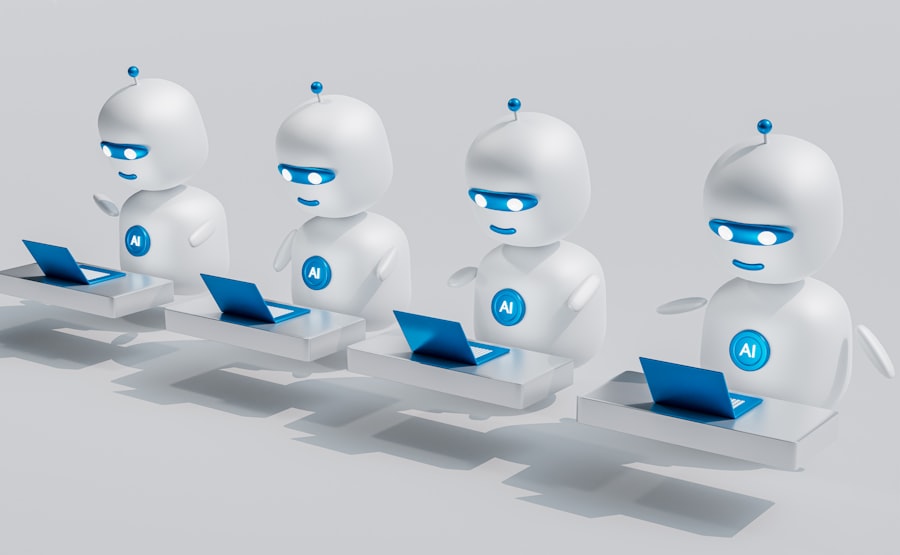
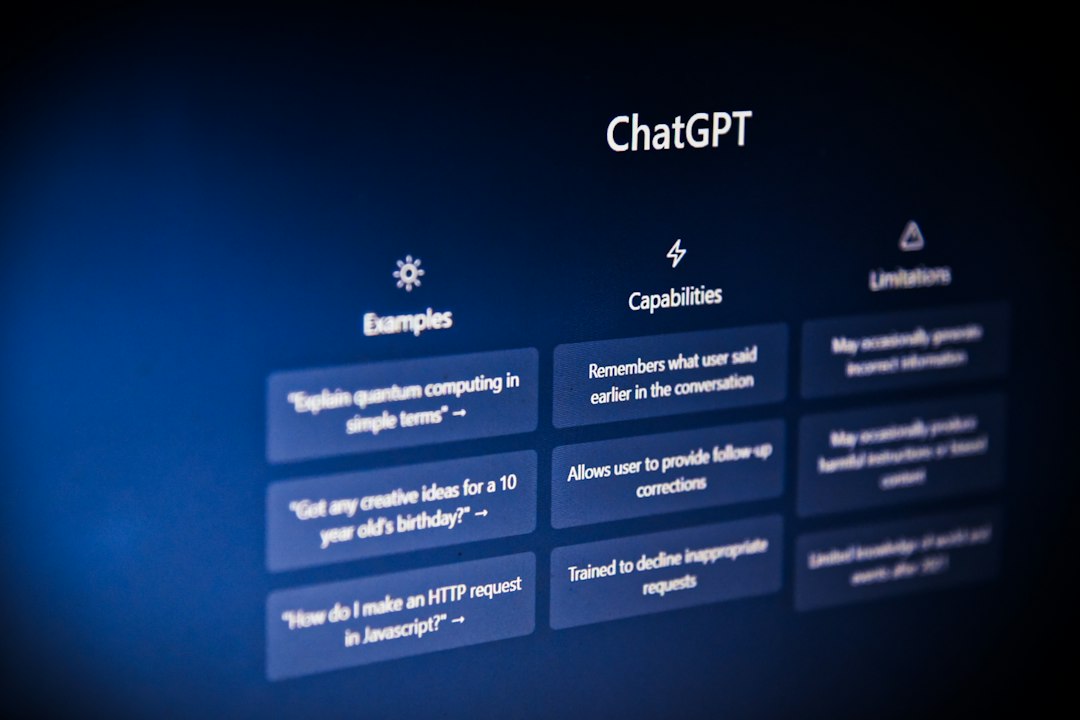
Implementing a support chat bot in customer service requires careful planning and execution. The first step involves identifying the specific needs of the business and its customers. Organizations must assess the types of inquiries they receive most frequently and determine how a chat bot can address these issues effectively.
This analysis will guide the development of the chat bot's capabilities and ensure that it aligns with the overall customer service strategy. Once the objectives are established, businesses can begin selecting the appropriate technology platform for their chat bot. There are numerous options available, ranging from simple rule-based systems to advanced AI-driven solutions. Organizations should consider factors such as ease of integration with existing systems, scalability, and customization options when making their choice. After selecting a platform, the next phase involves designing the chat bot's conversational flow and training it with relevant data to ensure it can respond accurately to customer inquiries.
Best Practices for Training Support Chat Bot


Training a support chat bot is a critical component of its successful implementation. To ensure that the chat bot can effectively assist customers, organizations should adopt best practices during the training process. One essential practice is to provide the chat bot with a diverse dataset that reflects real customer interactions. This dataset should include various types of inquiries, responses, and potential follow-up questions to help the chat bot learn how to navigate different conversational scenarios.
Additionally, continuous learning is vital for maintaining the effectiveness of a support chat bot. Organizations should regularly review interactions between customers and the chat bot to identify areas for improvement. By analyzing these conversations, businesses can refine the chat bot's responses and update its knowledge base accordingly.
Furthermore, soliciting feedback from customers about their experiences with the chat bot can provide valuable insights that inform ongoing training efforts.
In recent discussions about enhancing customer service, the role of chatbots has gained significant attention. A related article explores how these AI-driven tools can improve user experience by providing instant responses and personalized interactions. For more insights on this topic, you can read the article on the benefits of chatbots in customer support here. This resource highlights various case studies and statistics that demonstrate the effectiveness of chatbots in streamlining communication and increasing customer satisfaction.
Integrating Support Chat Bot with Other Customer Service Channels
| Metric | Description | Typical Value | Importance |
|---|---|---|---|
| Response Time | Average time taken by the bot to respond to a user query | 1-3 seconds | High |
| Resolution Rate | Percentage of queries resolved without human intervention | 70-90% | High |
| User Satisfaction Score | Average rating given by users after interacting with the bot | 4.0/5 | High |
| Fallback Rate | Percentage of queries the bot could not understand or handle | 5-15% | Medium |
| Active Users | Number of unique users interacting with the bot per day | 500-10,000 | Medium |
| Average Session Length | Average duration of a chat session with the bot | 3-7 minutes | Low |
| Escalation Rate | Percentage of conversations transferred to human agents | 10-30% | High |
For support chat bots to be truly effective, they must be integrated seamlessly with other customer service channels. This integration ensures that customers receive a consistent experience regardless of how they choose to engage with the business. For instance, if a customer initiates a conversation with a chat bot but requires further assistance from a human agent, the transition should be smooth and efficient. This can be achieved by implementing systems that allow for easy handoffs between chat bots and human representatives.
Moreover, integrating support chat bots with other channels such as email, social media, and live chat can enhance overall service delivery. By centralizing customer interactions across multiple platforms, businesses can gain a comprehensive view of customer needs and preferences. This holistic approach not only improves response times but also enables organizations to tailor their services more effectively based on individual customer journeys.
Measuring the Effectiveness of Support Chat Bot
To gauge the success of a support chat bot in enhancing customer service, organizations must establish key performance indicators (KPIs) that reflect its effectiveness.
Metrics such as response time, resolution rate, and customer satisfaction scores are essential for evaluating how well the chat bot meets customer needs.
By tracking these KPIs over time, businesses can identify trends and make data-driven decisions regarding their chat bot strategy.
Additionally, conducting regular assessments of the chat bot's performance is crucial for continuous improvement. Organizations should analyze conversation logs to determine common issues or misunderstandings that arise during interactions. This analysis can inform updates to the chat bot's training data and conversational flow, ultimately leading to enhanced performance and customer satisfaction.
Common Challenges and Solutions in Using Support Chat Bot
Despite their many advantages, support chat bots are not without challenges. One common issue is the potential for miscommunication between the chat bot and customers. If a chat bot fails to understand a customer's query or provides an incorrect response, it can lead to frustration and dissatisfaction. To mitigate this risk, organizations should invest in robust natural language processing capabilities and continuously refine their training datasets based on real-world interactions.
Another challenge is ensuring that customers feel valued during their interactions with a chat bot. Some users may prefer human interaction over automated responses, particularly when dealing with complex issues or sensitive topics. To address this concern, businesses should implement clear escalation protocols that allow customers to easily transition from a chat bot to a human agent when necessary. By prioritizing customer preferences and providing options for personalized assistance, organizations can enhance overall satisfaction.
Future Trends in Support Chat Bot for Customer Service
As technology continues to advance, the future of support chat bots in customer service looks promising. One emerging trend is the integration of more sophisticated AI capabilities that enable chat bots to engage in more natural and human-like conversations. This evolution will likely lead to improved customer experiences as chat bots become better at understanding context and emotional nuances in communication.
Additionally, there is a growing emphasis on personalization in customer service interactions. Future support chat bots may leverage data analytics and machine learning algorithms to tailor responses based on individual customer profiles and past interactions. This level of personalization has the potential to significantly enhance customer loyalty and satisfaction by making each interaction feel more relevant and meaningful.
In conclusion, support chat bots represent a significant advancement in customer service technology. Their ability to provide instant assistance, operate around the clock, and integrate seamlessly with other channels makes them invaluable assets for businesses looking to improve their customer interactions. By understanding how to implement and optimize these tools effectively, organizations can navigate the challenges they present while reaping their many benefits. As technology continues to evolve, so too will the capabilities of support chat bots, paving the way for even more innovative solutions in the realm of customer service.
FAQs
What is a support chat bot?
A support chat bot is an automated software program designed to interact with users via chat interfaces to provide customer support, answer common questions, and assist with troubleshooting.
How does a support chat bot work?
A support chat bot uses natural language processing (NLP) and predefined scripts or artificial intelligence to understand user queries and provide relevant responses or guide users through problem-solving steps.
What are the benefits of using a support chat bot?
Support chat bots offer 24/7 availability, quick response times, reduced workload for human agents, consistent answers, and the ability to handle multiple customer interactions simultaneously.
Can a support chat bot handle complex customer issues?
While chat bots can manage many routine inquiries, complex or sensitive issues typically require escalation to human support agents for personalized assistance.
How can businesses implement a support chat bot?
Businesses can implement support chat bots by selecting a chat bot platform or service, customizing the bot’s responses to their specific products or services, integrating it with their website or messaging apps, and continuously updating it based on user feedback.