
Enhancing Customer Service with a Custom Chat Bot
In the rapidly evolving landscape of digital communication, custom chat bots have emerged as a transformative tool for businesses seeking to enhance customer engagement and streamline operations. These intelligent software applications are designed to simulate human conversation, providing users with instant responses and assistance. By leveraging artificial intelligence and natural language processing, custom chat bots can interact with customers in real-time, offering solutions to inquiries, guiding users through processes, and even facilitating transactions. As organizations increasingly recognize the importance of delivering exceptional customer experiences, the adoption of custom chat bots has become a strategic imperative.
The rise of custom chat bots is not merely a trend; it represents a fundamental shift in how businesses interact with their customers. With the proliferation of messaging platforms and the growing expectation for immediate responses, companies are turning to chat bots to meet these demands. Customization allows businesses to tailor chat bots to their specific needs, ensuring that they align with brand voice and customer expectations. This article delves into the myriad benefits of custom chat bots, the design and implementation process, and the future trends that will shape their role in customer service.
If you're interested in enhancing your customer interactions through technology, you might find the article on implementing a customer-centric strategy for small business growth particularly insightful. It discusses how businesses can leverage tools like custom chatbots to improve customer engagement and satisfaction. You can read more about it here: Implementing a Customer-Centric Strategy for Success.
Key Takeaways
- Custom chat bots enhance customer service by providing personalized, efficient support.
- Designing a chat bot requires aligning its features with specific business needs and customer expectations.
- Successful implementation involves integrating the bot seamlessly into existing customer service workflows.
- Continuous training and monitoring are essential to maintain the chat bot’s effectiveness and accuracy.
- Measuring performance and adapting to emerging trends help overcome challenges and improve customer interactions.
Understanding the Benefits of Custom Chat Bots for Customer Service
Custom chat bots offer a plethora of advantages that can significantly enhance customer service operations. One of the most notable benefits is their ability to provide 24/7 support. Unlike human agents, chat bots do not require breaks or time off, allowing them to assist customers at any hour of the day or night. This constant availability ensures that customers can receive help whenever they need it, leading to increased satisfaction and loyalty. Furthermore, by handling routine inquiries and tasks, chat bots free up human agents to focus on more complex issues that require a personal touch.
Another key benefit of custom chat bots is their capacity for scalability. As businesses grow, so do their customer service demands. Custom chat bots can easily handle an increasing volume of inquiries without compromising response times or quality. This scalability is particularly advantageous during peak periods, such as holidays or product launches, when customer inquiries may surge. By efficiently managing these spikes in demand, chat bots help maintain a seamless customer experience while reducing operational costs associated with hiring additional staff.
Designing a Custom Chat Bot for Your Business

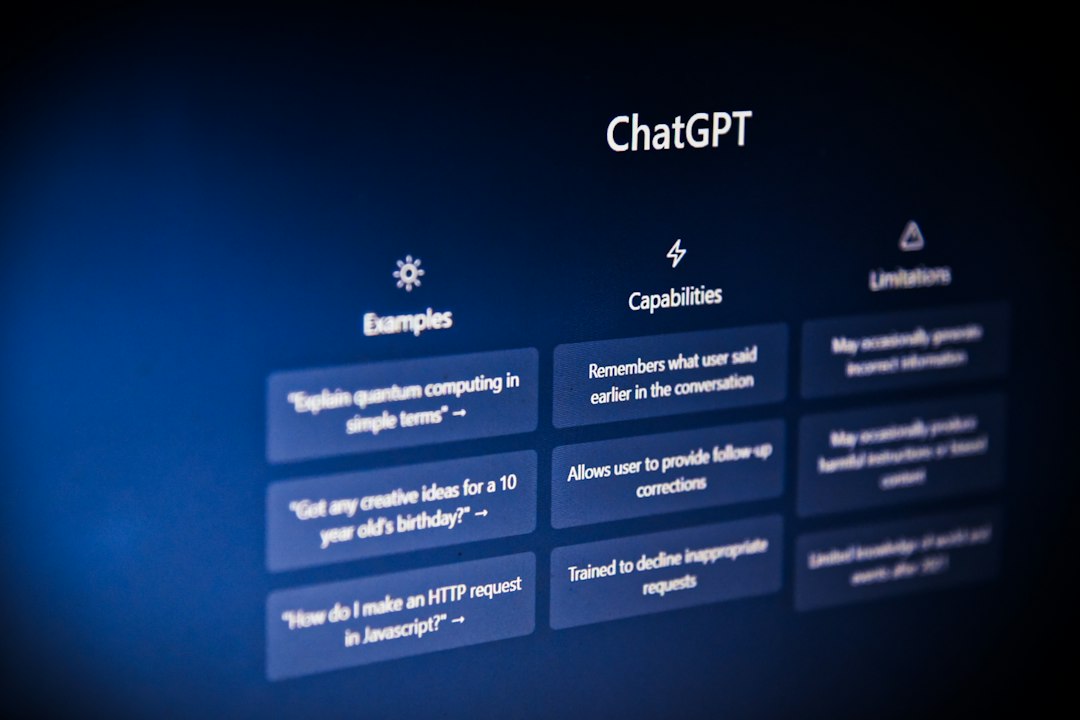
The design process for a custom chat bot is crucial in determining its effectiveness and user-friendliness. Initially, businesses must identify the primary objectives they wish to achieve with their chat bot. This could range from answering frequently asked questions to guiding users through complex purchasing processes.
By clearly defining these goals, organizations can create a focused and efficient chat bot that meets specific customer needs. Once objectives are established, the next step involves crafting the conversation flow. This entails mapping out potential user interactions and designing responses that feel natural and engaging.
A well-designed chat bot should be able to understand various user inputs and respond appropriately, mimicking human-like conversation as closely as possible. Additionally, incorporating elements such as personality and tone can enhance the user experience, making interactions feel more personalized and less robotic. Testing the chat bot with real users during the design phase can provide valuable insights into its functionality and areas for improvement.
Implementing a Custom Chat Bot into Your Customer Service Strategy

Integrating a custom chat bot into an existing customer service strategy requires careful planning and execution. Businesses must ensure that the chat bot complements their current systems and processes rather than disrupts them. This often involves collaborating with IT teams to ensure seamless integration with customer relationship management (CRM) systems, databases, and other relevant tools. A well-integrated chat bot can access customer information in real-time, allowing for more personalized interactions.
Moreover, it is essential to communicate the introduction of the chat bot to both customers and employees. Customers should be informed about the new support option and how it can assist them, while employees should be trained on how to work alongside the chat bot effectively. This training can help staff understand when to escalate issues from the chat bot to human agents, ensuring that customers receive the best possible support regardless of the channel they choose.
If you're interested in exploring the benefits of a custom chat bot for enhancing customer engagement, you might find this article on effective chat bot strategies particularly insightful. It delves into various approaches to tailor chat bots to meet specific business needs and improve user experience. For more details, you can read the full article here.
Training and Monitoring Your Custom Chat Bot
| Metric | Description | Typical Value | Importance |
|---|---|---|---|
| Response Time | Average time taken by the chatbot to respond to a user query | 1-3 seconds | High |
| Accuracy | Percentage of correct or relevant responses provided by the chatbot | 85-95% | High |
| User Retention Rate | Percentage of users who return to use the chatbot again | 40-60% | Medium |
| Conversation Completion Rate | Percentage of conversations where the user's goal is successfully met | 70-90% | High |
| Fallback Rate | Percentage of queries where the chatbot fails to understand and defaults to fallback | 5-15% | Medium |
| Integration Time | Time required to integrate the chatbot with existing systems | 1-4 weeks | Medium |
| Customization Level | Degree to which the chatbot can be tailored to specific business needs | High | High |
| Scalability | Ability to handle increasing number of users or queries without performance loss | Supports thousands of concurrent users | High |
Training a custom chat bot is an ongoing process that involves feeding it data and refining its responses based on user interactions. Initially, businesses should provide the chat bot with a comprehensive knowledge base that includes common questions and answers relevant to their industry. As customers interact with the chat bot, it learns from these conversations, improving its ability to understand context and respond accurately over time.
Monitoring the performance of the chat bot is equally important. Businesses should regularly analyze metrics such as response times, user satisfaction ratings, and resolution rates to gauge its effectiveness. By identifying patterns in user interactions, organizations can pinpoint areas where the chat bot may need further training or adjustments. Continuous improvement ensures that the chat bot remains relevant and effective in meeting customer needs.
Measuring the Success of Your Custom Chat Bot
To determine the success of a custom chat bot, businesses must establish clear metrics and key performance indicators (KPIs) that align with their objectives. Common metrics include customer satisfaction scores, average response times, and the percentage of inquiries resolved without human intervention. By tracking these KPIs over time, organizations can assess whether the chat bot is meeting its intended goals.
Additionally, qualitative feedback from users can provide valuable insights into their experiences with the chat bot. Surveys or follow-up questions after interactions can help gauge user satisfaction and identify areas for improvement. By combining quantitative data with qualitative feedback, businesses can develop a comprehensive understanding of their chat bot's performance and make informed decisions about future enhancements.
Addressing Common Challenges with Custom Chat Bots
Despite their many advantages, custom chat bots are not without challenges. One common issue is ensuring that the chat bot can handle diverse user inputs effectively. Customers may phrase questions in various ways or use slang and colloquialisms that the chat bot may not recognize. To mitigate this challenge, businesses should invest in advanced natural language processing capabilities that enable the chat bot to understand a broader range of language patterns.
Another challenge lies in managing user expectations. While chat bots can handle many inquiries efficiently, there will always be situations where human intervention is necessary. Businesses must clearly communicate when users should expect to be transferred to a human agent and ensure that this transition is seamless. Providing users with options for escalation can enhance their overall experience and prevent frustration when complex issues arise.
Future Trends in Custom Chat Bots for Customer Service
As technology continues to advance, the future of custom chat bots in customer service looks promising. One emerging trend is the integration of artificial intelligence (AI) and machine learning capabilities that allow chat bots to become even more intuitive over time. These advancements will enable chat bots to predict customer needs based on previous interactions and provide proactive support rather than reactive responses.
Additionally, there is a growing emphasis on omnichannel support, where chat bots seamlessly transition between different communication platforms such as social media, websites, and messaging apps. This trend reflects consumers' preferences for interacting with brands across multiple channels and highlights the importance of providing a consistent experience regardless of where customers choose to engage.
In conclusion, custom chat bots represent a significant advancement in customer service technology, offering numerous benefits that enhance efficiency and improve customer satisfaction. By understanding their advantages, designing them thoughtfully, implementing them strategically, training them effectively, measuring their success, addressing challenges, and staying attuned to future trends, businesses can harness the full potential of custom chat bots in their customer service strategies. As organizations continue to adapt to changing consumer expectations, custom chat bots will undoubtedly play an increasingly vital role in shaping the future of customer engagement.
FAQs
What is a custom chatbot?
A custom chatbot is a software application designed to simulate human conversation, tailored specifically to meet the unique needs and requirements of a particular business or user. It can be programmed to handle specific tasks, answer common questions, and provide personalized interactions.
How does a custom chatbot differ from a generic chatbot?
A custom chatbot is built and configured to address the specific goals, branding, and workflows of an organization, whereas a generic chatbot uses pre-built templates and general responses that may not fully align with a business’s unique needs.
What are the common uses of custom chatbots?
Custom chatbots are commonly used for customer support, lead generation, appointment scheduling, e-commerce assistance, internal employee support, and providing personalized recommendations.
What technologies are used to build custom chatbots?
Custom chatbots are typically built using natural language processing (NLP), machine learning, and artificial intelligence frameworks. Popular platforms include Dialogflow, Microsoft Bot Framework, IBM Watson, and open-source libraries like Rasa.
What are the benefits of implementing a custom chatbot for a business?
Custom chatbots can improve customer engagement, reduce response times, automate repetitive tasks, provide 24/7 support, increase operational efficiency, and deliver personalized user experiences that align with the brand’s voice and objectives.