
Maximizing Efficiency: ChatGPT Business Solutions
Organizations across industries are adopting artificial intelligence technologies to optimize their operational efficiency. ChatGPT, a large language model created by OpenAI, processes natural language inputs and generates text-based responses that simulate human communication patterns. The system utilizes transformer architecture and has been trained on extensive datasets to understand context, syntax, and semantic relationships in text.
ChatGPT's technical capabilities enable multiple business applications including automated customer service responses, content generation, data analysis assistance, and workflow documentation. The model can be integrated into existing systems through APIs, allowing organizations to customize its functionality for specific use cases. Implementation typically involves training the system on company-specific data and establishing parameters that align with business objectives.
Research indicates that businesses implementing AI language models report measurable improvements in response times, cost reduction in customer service operations, and increased capacity for handling routine inquiries. The technology's ability to process large volumes of text-based requests simultaneously allows organizations to scale their communication capabilities without proportional increases in human resources. Integration considerations include data security protocols, accuracy validation processes, and ongoing system maintenance requirements.
Key Takeaways
- ChatGPT can enhance various business functions including customer support, sales, marketing, and internal communication.
- Implementing ChatGPT improves customer interactions by providing quick and accurate responses.
- ChatGPT aids sales and marketing efforts through personalized engagement and content generation.
- Integration with existing systems ensures seamless workflow and maximizes ChatGPT’s effectiveness.
- Measuring performance and optimizing ChatGPT usage leads to increased operational efficiency and better project management.

Implementing ChatGPT for Customer Support
One of the most prominent applications of ChatGPT is in the realm of customer support. Businesses are recognizing the importance of providing timely and accurate assistance to their customers, and ChatGPT can play a pivotal role in achieving this goal. By deploying ChatGPT as a virtual assistant, companies can ensure that customer inquiries are addressed promptly, even outside of regular business hours.
This not only enhances customer satisfaction but also allows human agents to focus on more complex issues that require personal attention. Moreover, ChatGPT can be trained on specific product knowledge and company policies, enabling it to provide accurate responses tailored to the unique needs of each customer. This level of customization ensures that customers receive relevant information quickly, reducing frustration and improving their overall experience.
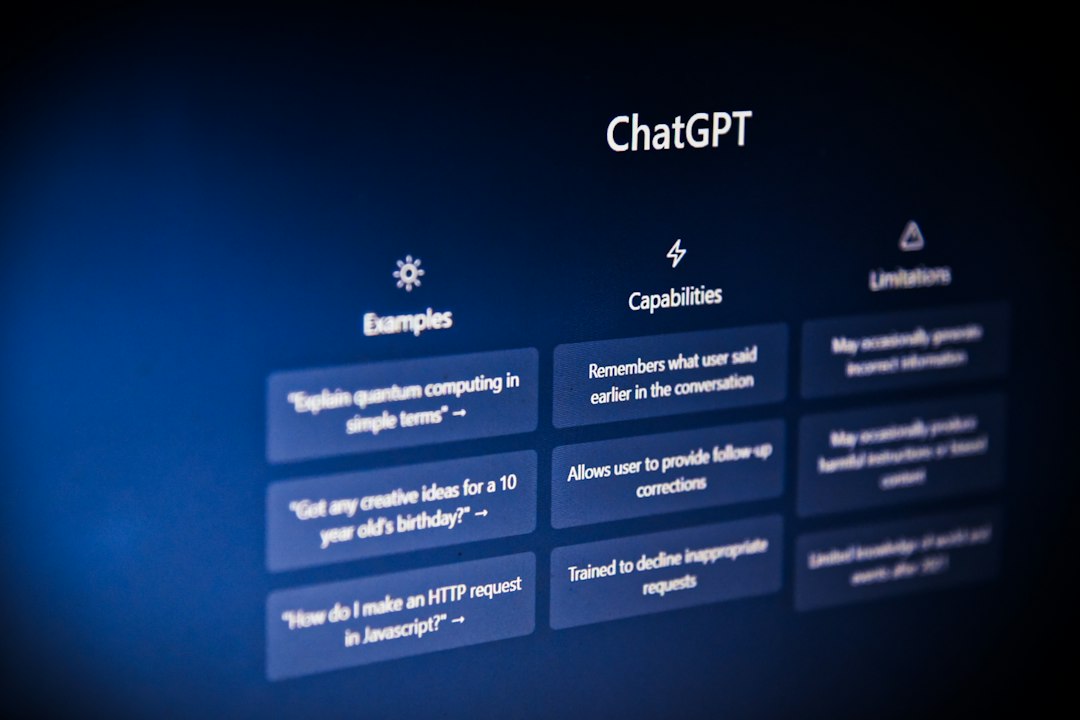
Additionally, the AI's ability to learn from interactions means that it can continuously improve its responses over time, adapting to new queries and evolving customer expectations. As businesses implement ChatGPT for customer support, they are likely to see a significant reduction in response times and an increase in customer loyalty.
Utilizing ChatGPT for Sales and Marketing
In the competitive world of sales and marketing, businesses are constantly seeking innovative ways to engage potential customers and drive conversions. ChatGPT offers a unique opportunity to enhance these efforts through personalized communication and targeted outreach. By utilizing this AI tool, companies can create tailored marketing messages that resonate with specific audience segments.
For instance, ChatGPT can analyze customer data to identify preferences and behaviors, allowing marketers to craft campaigns that speak directly to their target demographic. Furthermore, ChatGPT can assist in lead generation by engaging with prospects in real-time. Through chatbots powered by this technology, businesses can initiate conversations with website visitors, answer questions about products or services, and guide them through the purchasing process.

This proactive approach not only increases the likelihood of conversion but also fosters a sense of connection between the brand and its customers. As organizations harness the power of ChatGPT in their sales and marketing strategies, they are likely to see improved engagement rates and higher sales figures.
Improving Internal Communication with ChatGPT
Effective internal communication is essential for any organization aiming to foster collaboration and productivity among its employees. ChatGPT can serve as a valuable tool in enhancing communication within teams by providing instant access to information and facilitating knowledge sharing. Employees can interact with ChatGPT to quickly retrieve data, clarify policies, or seek guidance on various tasks without having to navigate through lengthy documents or wait for responses from colleagues.
Additionally, ChatGPT can help bridge communication gaps between departments by providing a centralized platform for information exchange. For instance, if a marketing team needs insights from the sales department regarding customer feedback, they can query ChatGPT for relevant data without needing to schedule meetings or send multiple emails. This streamlined approach not only saves time but also encourages a culture of transparency and collaboration within the organization.
As businesses adopt ChatGPT for internal communication, they are likely to experience improved efficiency and a more cohesive work environment.
Streamlining Administrative Tasks with ChatGPT
| Metric | Description | Value | Unit |
|---|---|---|---|
| Monthly Active Users | Number of users actively using ChatGPT for business purposes | 10,000,000 | Users |
| Average Response Time | Average time taken by ChatGPT to respond to business queries | 1.2 | Seconds |
| Customer Satisfaction Rate | Percentage of business users satisfied with ChatGPT services | 89 | Percent |
| Integration Partners | Number of third-party platforms integrated with ChatGPT for business | 150 | Platforms |
| Business Use Cases | Number of distinct business applications utilizing ChatGPT | 75 | Use Cases |
| Monthly Revenue Growth | Percentage increase in revenue from ChatGPT business subscriptions | 12 | Percent |
| API Calls per Month | Number of API requests made by businesses to ChatGPT | 500,000,000 | Calls |
Administrative tasks often consume valuable time and resources within organizations.
For example, ChatGPT can assist with scheduling meetings by analyzing participants' availability and suggesting optimal times for all involved.
This automation reduces the back-and-forth communication typically associated with scheduling and allows teams to allocate their time more effectively. Moreover, ChatGPT can aid in document management by helping employees locate files or generate reports based on specific criteria. Instead of sifting through countless folders or databases, employees can simply ask ChatGPT for the information they need.
This not only enhances productivity but also minimizes the risk of errors that may occur during manual data entry or retrieval. As organizations embrace ChatGPT for administrative tasks, they are likely to see a marked improvement in operational efficiency and employee satisfaction.
Enhancing Project Management with ChatGPT
Project management is a complex endeavor that requires careful planning, coordination, and communication among team members. ChatGPT can play a crucial role in enhancing project management processes by providing real-time updates and facilitating collaboration among team members. For instance, project managers can use ChatGPT to track progress on tasks, identify potential roadblocks, and communicate changes in project timelines or deliverables.
Additionally, ChatGPT can assist in generating project documentation by summarizing meetings or compiling status reports based on team input. This automation not only saves time but also ensures that all team members have access to consistent information regarding project developments.
Integrating ChatGPT with Existing Business Systems
For businesses looking to maximize the benefits of ChatGPT, integration with existing systems is essential. By connecting this AI tool with customer relationship management (CRM) platforms, enterprise resource planning (ERP) systems, or other software solutions, organizations can create a seamless flow of information across departments. This integration allows ChatGPT to access relevant data in real-time, enabling it to provide more accurate responses and insights tailored to specific business needs.
Furthermore, integrating ChatGPT with existing systems enhances its functionality by allowing it to perform tasks such as updating records or generating reports based on user queries. For example, if a sales representative asks ChatGPT for the latest sales figures, the AI can pull data directly from the CRM system and present it in an easily digestible format. This level of integration not only improves efficiency but also empowers employees with the information they need to make informed decisions quickly.
Measuring and Optimizing Efficiency with ChatGPT
As businesses implement ChatGPT across various functions, measuring its impact on efficiency becomes crucial for ongoing optimization. Organizations should establish key performance indicators (KPIs) that align with their specific goals for using ChatGPT. These KPIs may include metrics such as response times in customer support interactions, conversion rates from marketing campaigns powered by AI-generated content, or reductions in time spent on administrative tasks.
By regularly analyzing these metrics, businesses can identify areas where ChatGPT is excelling as well as opportunities for improvement. For instance, if response times in customer support are not meeting expectations, organizations may need to refine the training data used for ChatGPT or adjust its deployment strategy. Continuous monitoring and optimization ensure that businesses derive maximum value from their investment in AI technology while adapting to changing market conditions and customer needs.
In conclusion, the integration of ChatGPT into business operations presents a myriad of opportunities for enhancing efficiency and effectiveness across various functions. From customer support to project management, this AI-driven solution has the potential to transform how organizations operate in an increasingly digital world. By understanding its capabilities and implementing it strategically within existing systems, businesses can position themselves for success in an ever-evolving marketplace.
In today's competitive landscape, businesses are increasingly turning to innovative technologies like ChatGPT to enhance customer engagement and streamline operations. A related article that delves into the importance of adopting a customer-centric strategy for small business growth can be found here: Implementing a Customer-Centric Strategy for Success. This resource provides valuable insights on how prioritizing customer needs can lead to sustainable success, making it a perfect complement to the capabilities offered by AI-driven solutions like ChatGPT.
FAQs
What is ChatGPT Business?
ChatGPT Business refers to the use of OpenAI's ChatGPT technology tailored for business applications. It enables companies to integrate advanced conversational AI into their operations for customer support, content creation, automation, and more.
How can businesses benefit from using ChatGPT?
Businesses can benefit from ChatGPT by improving customer service with 24/7 automated support, enhancing productivity through AI-assisted writing and data analysis, reducing operational costs, and enabling personalized customer interactions.
Is ChatGPT Business different from the regular ChatGPT?
Yes, ChatGPT Business typically offers enhanced features such as higher usage limits, priority access, better data privacy controls, and integration capabilities designed specifically for enterprise needs compared to the standard consumer version.
What industries can use ChatGPT Business?
ChatGPT Business can be utilized across various industries including retail, finance, healthcare, education, marketing, and customer service, among others, to streamline communication and automate routine tasks.
How secure is ChatGPT Business for handling sensitive information?
OpenAI implements robust security measures for ChatGPT Business, including data encryption and compliance with privacy standards. However, businesses should review OpenAI’s data policies and ensure they meet their own regulatory requirements before use.
Can ChatGPT Business be customized for specific company needs?
Yes, ChatGPT Business can be customized through API integrations and fine-tuning to align with specific business workflows, brand voice, and industry-specific terminology.
What are the costs associated with ChatGPT Business?
Pricing for ChatGPT Business varies based on usage, features, and subscription plans. Businesses typically pay a monthly or annual fee depending on their scale and requirements. Detailed pricing information is available from OpenAI.
How do businesses integrate ChatGPT into their existing systems?
Businesses can integrate ChatGPT via APIs provided by OpenAI, allowing seamless connection with CRM systems, websites, mobile apps, and other software platforms to automate conversations and data processing.
Does ChatGPT Business support multiple languages?
Yes, ChatGPT supports multiple languages, enabling businesses to communicate with customers globally and provide multilingual support.
What kind of support is available for ChatGPT Business users?
OpenAI offers customer support, documentation, and developer resources for ChatGPT Business users to assist with setup, troubleshooting, and optimization of AI solutions.