
Revolutionizing Customer Service with AI Chat
In recent years, the landscape of customer service has undergone a significant transformation, largely driven by advancements in artificial intelligence (AI) technology. The rise of AI chatbots has revolutionized how businesses interact with their customers, providing a seamless and efficient means of communication. These intelligent systems are designed to handle a variety of customer inquiries, from simple questions to more complex issues, all while operating around the clock. As companies strive to enhance their customer service offerings, the integration of AI chat has become a pivotal strategy in meeting the demands of an increasingly digital-savvy consumer base.
The proliferation of AI chat in customer service can be attributed to several factors. First and foremost, the growing expectation for immediate responses has led businesses to seek solutions that can provide instant assistance. Customers no longer tolerate long wait times or delayed responses; they expect answers at their fingertips. AI chatbots fulfill this need by offering real-time support, ensuring that customers receive timely information regardless of the hour. Furthermore, as technology continues to evolve, the capabilities of AI chat systems have expanded, allowing them to engage in more sophisticated conversations and provide personalized experiences that were once thought to be the domain of human agents.
In the realm of AI chat applications, understanding customer needs is crucial for success. A related article that delves into this topic is "Implementing a Customer-Centric Strategy for Success," which explores how small businesses can grow by prioritizing their customers. You can read more about it by following this link: Implementing a Customer-Centric Strategy for Success. This article provides valuable insights that can enhance the effectiveness of AI chat solutions by aligning them with customer expectations.
Key Takeaways
- AI chat is on the rise in customer service, providing a convenient and efficient way for businesses to interact with customers.
- AI chat improves efficiency and response time by handling simple queries and directing complex issues to human representatives.
- Personalizing customer interactions with AI chat is possible through data analysis and machine learning algorithms.
- Overcoming challenges and misconceptions of AI chat requires addressing concerns about privacy, security, and the potential for errors.
- AI chat has a significant impact on customer satisfaction and loyalty by providing quick, accurate, and personalized support.

How AI Chat Improves Efficiency and Response Time
One of the most significant advantages of implementing AI chat in customer service is the remarkable improvement in efficiency and response time. Traditional customer service models often involve long queues and extended wait times, which can lead to frustration and dissatisfaction among customers. In contrast, AI chatbots can handle multiple inquiries simultaneously, drastically reducing the time it takes for customers to receive assistance. This capability not only enhances the overall customer experience but also allows businesses to allocate their human resources more effectively.
Moreover, AI chat systems are programmed to provide instant responses to frequently asked questions, enabling customers to find solutions without needing to wait for a human representative. This self-service aspect empowers customers, giving them control over their interactions and allowing them to resolve issues at their convenience. As a result, businesses can focus their human agents on more complex inquiries that require a personal touch, thereby optimizing the entire customer service process. The combination of speed and efficiency offered by AI chat ultimately leads to a more streamlined operation that benefits both customers and companies alike.
Personalizing Customer Interactions with AI Chat

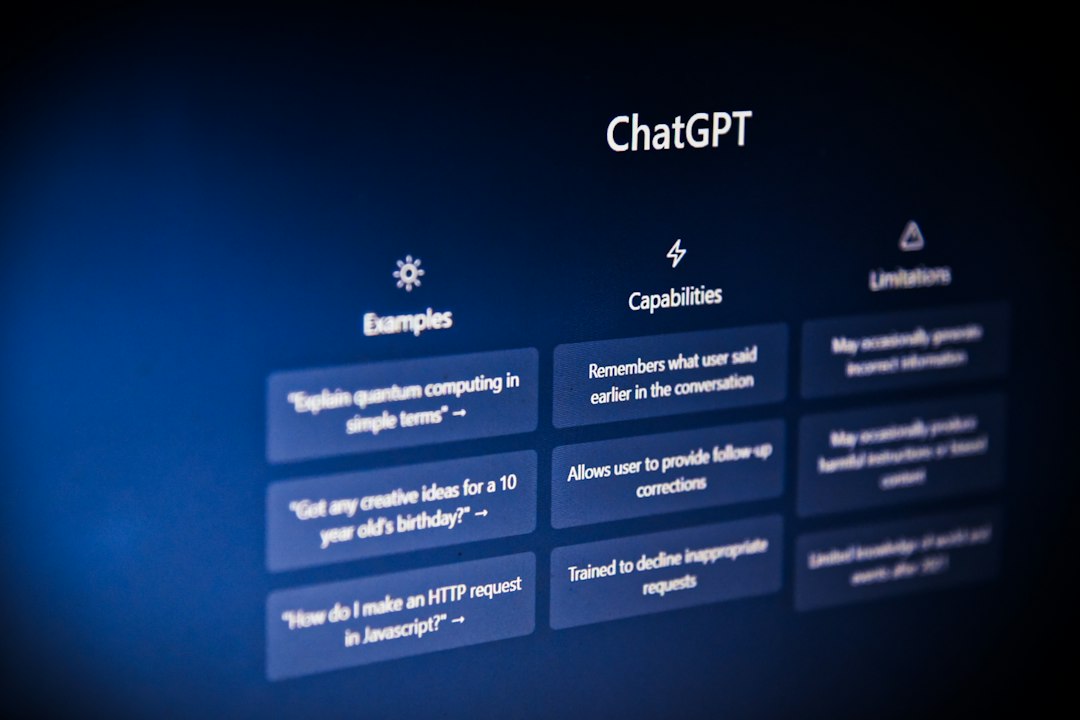
While efficiency is a key benefit of AI chat, personalization is another critical aspect that enhances customer interactions. Modern AI chatbots are equipped with advanced algorithms that enable them to analyze customer data and preferences, allowing for tailored responses that resonate with individual users. By leveraging historical interactions and behavioral patterns, these systems can provide recommendations and solutions that align with each customer's unique needs.
Personalization through AI chat not only improves the quality of interactions but also fosters a sense of connection between the customer and the brand. When customers feel understood and valued, they are more likely to engage positively with the company. For instance, an AI chatbot might remember a customer's previous purchases or preferences, offering relevant suggestions during future interactions.
This level of personalization creates a more engaging experience, encouraging customers to return and fostering brand loyalty over time.
Overcoming Challenges and Misconceptions of AI Chat

Despite the numerous advantages of AI chat in customer service, there are still challenges and misconceptions that need to be addressed. One common concern is the fear that AI will replace human jobs, leading to job losses in the customer service sector. However, this perspective overlooks the fact that AI is intended to complement human agents rather than replace them entirely. By automating routine inquiries, AI chat allows human representatives to focus on more complex issues that require empathy and critical thinking—skills that machines cannot replicate.

Another misconception is that AI chat lacks the ability to understand nuanced human emotions or context. While early iterations of chatbots struggled with complex conversations, advancements in natural language processing (NLP) have significantly improved their capabilities. Modern AI systems can recognize sentiment and context, allowing them to respond appropriately even in challenging situations. Nevertheless, it is essential for businesses to strike a balance between automation and human interaction, ensuring that customers have access to empathetic support when needed.
In recent discussions about the advancements in AI chat technology, a fascinating article titled "The Future of Conversational AI" explores the implications of these innovations on communication and customer service. This piece delves into how AI chatbots are becoming increasingly sophisticated, allowing for more natural interactions between humans and machines. For those interested in understanding the broader context of these developments, you can read the article here.
The Impact of AI Chat on Customer Satisfaction and Loyalty
| Metrics | Value |
|---|---|
| Number of AI chat interactions | 5000 |
| Customer satisfaction rate | 85% |
| Resolution rate | 90% |
| Average response time | 30 seconds |
The integration of AI chat into customer service operations has had a profound impact on customer satisfaction and loyalty. By providing quick and efficient responses, businesses can significantly enhance the overall experience for their customers. Studies have shown that customers who receive timely assistance are more likely to express satisfaction with their interactions and remain loyal to the brand. This loyalty translates into repeat business and positive word-of-mouth referrals, which are invaluable for any organization.
Furthermore, the ability of AI chat systems to personalize interactions contributes to higher levels of customer satisfaction. When customers feel recognized and valued through tailored responses, they are more inclined to develop a lasting relationship with the brand. This emotional connection fosters loyalty, as customers are more likely to choose a brand that understands their needs over competitors who may not offer the same level of personalized service. In this way, AI chat not only enhances immediate satisfaction but also lays the groundwork for long-term customer loyalty.
Integrating AI Chat with Human Customer Service Representatives
To maximize the benefits of AI chat in customer service, businesses must consider how to effectively integrate these systems with human representatives. A hybrid approach that combines the strengths of both AI and human agents can lead to optimal outcomes for both customers and organizations. For instance, while AI chatbots can handle routine inquiries efficiently, human agents can step in when more complex issues arise or when a personal touch is required.
This integration requires careful planning and training for human representatives. They must be equipped with the tools and knowledge necessary to work alongside AI systems effectively. By understanding how to leverage AI insights and data, human agents can provide even better service by addressing specific customer needs based on previous interactions with the chatbot. This collaborative approach not only enhances the overall efficiency of customer service operations but also ensures that customers receive comprehensive support throughout their journey.
The Future of AI Chat in Revolutionizing Customer Service
As technology continues to advance at an unprecedented pace, the future of AI chat in customer service looks promising. Innovations in machine learning and natural language processing will likely lead to even more sophisticated chatbots capable of understanding complex queries and providing nuanced responses. Additionally, as businesses increasingly adopt omnichannel strategies, AI chat will play a crucial role in ensuring consistent communication across various platforms.
Moreover, the integration of voice recognition technology may further enhance the capabilities of AI chat systems, allowing customers to interact through voice commands rather than text alone. This evolution could lead to more natural conversations and an even greater level of personalization in customer interactions. As companies continue to invest in AI technology, it is clear that AI chat will remain at the forefront of customer service innovation, shaping how businesses engage with their customers in the years to come.
Best Practices for Implementing AI Chat in Customer Service Operations
To successfully implement AI chat in customer service operations, businesses should adhere to several best practices. First and foremost, it is essential to define clear objectives for what they hope to achieve with AI chat integration.
Whether it is improving response times or enhancing personalization, having specific goals will guide the implementation process.
Additionally, organizations should invest in training both their AI systems and human representatives. Continuous learning is vital for both parties; while AI systems should be regularly updated with new data and algorithms, human agents must be trained on how to effectively collaborate with these technologies. Furthermore, businesses should prioritize gathering feedback from customers regarding their experiences with AI chat systems. This feedback can provide valuable insights into areas for improvement and help refine the overall customer experience.
In conclusion, as businesses navigate the evolving landscape of customer service, embracing AI chat technology presents an opportunity for enhanced efficiency, personalization, and customer satisfaction. By understanding its potential impact and implementing best practices for integration, organizations can position themselves for success in an increasingly competitive market. The future of customer service lies in harnessing the power of AI while maintaining a strong connection with human representatives—creating a harmonious balance that ultimately benefits both customers and businesses alike.
FAQs
What is an AI chatbot?
An AI chatbot is a computer program that uses artificial intelligence to conduct a conversation with users, typically through text or voice interactions. These chatbots are designed to simulate human conversation and can be used for a variety of purposes, such as customer service, information retrieval, and entertainment.
How does an AI chatbot work?
AI chatbots work by using natural language processing (NLP) and machine learning algorithms to understand and respond to user input. They analyze the user's message, identify the intent behind it, and generate a relevant response. Over time, they can learn from interactions to improve their performance.
What are the benefits of using AI chatbots?
AI chatbots offer several benefits, including 24/7 availability, scalability, cost-effectiveness, and the ability to handle multiple conversations simultaneously. They can also provide personalized and consistent interactions, leading to improved customer satisfaction and operational efficiency.
What are some common applications of AI chatbots?
AI chatbots are used in various industries and applications, including customer support, e-commerce, healthcare, banking, and education. They can assist users with product recommendations, booking appointments, answering frequently asked questions, and providing personalized assistance.
What are the limitations of AI chatbots?
While AI chatbots have advanced significantly, they still have limitations in understanding complex or ambiguous language, handling sensitive information, and providing empathetic responses. Additionally, they may require ongoing maintenance and monitoring to ensure accurate and effective interactions.