
Revolutionizing Customer Service with AI Chatbot
In recent years, the landscape of customer service has undergone a significant transformation, largely driven by the rise of artificial intelligence (AI) chatbots. These digital assistants have emerged as a vital tool for businesses seeking to enhance their customer engagement and streamline their operations. The proliferation of AI technology has enabled companies to deploy chatbots that can handle a wide range of inquiries, from simple FAQs to more complex customer issues.
As consumers increasingly expect immediate responses and 24/7 availability, businesses have turned to chatbots as a solution to meet these demands. The adoption of AI chatbots has been accelerated by advancements in natural language processing (NLP) and machine learning. These technologies allow chatbots to understand and respond to human language with remarkable accuracy, making interactions feel more natural and intuitive.
As a result, organizations across various sectors, including retail, finance, and healthcare, have embraced chatbots as a means to improve customer satisfaction while reducing operational costs. The rise of AI chatbots signifies a shift towards more efficient and effective customer service models, where technology plays a central role in enhancing the customer experience.
Key Takeaways
- AI chatbots are becoming increasingly popular in customer service, providing 24/7 support and quick responses to customer inquiries.
- AI chatbots are revolutionizing the customer service landscape by improving response times, reducing human error, and enhancing customer satisfaction.
- Implementing AI chatbots in customer service can lead to benefits such as cost savings, improved efficiency, and personalized customer interactions.
- Integrating AI chatbots into customer service may pose challenges such as technical limitations, customer acceptance, and data privacy concerns.
- Best practices for utilizing AI chatbots in customer service include providing clear communication, continuous training, and monitoring customer feedback for improvements.

How AI Chatbots are Changing the Customer Service Landscape
Enhanced Efficiency and 24/7 Availability
The ability of AI chatbots to operate around the clock provides customers with immediate assistance, regardless of the time of day. This 24/7 availability is particularly beneficial for businesses operating in global markets, where customers may be located in different time zones.
Improved Customer Satisfaction and Loyalty
By providing instant responses to common questions and concerns, chatbots enhance customer satisfaction and foster loyalty. As customers become accustomed to this level of service, their expectations continue to rise, pushing businesses to adopt even more advanced chatbot solutions to stay competitive.
The Future of Customer Service
The integration of AI chatbots into customer service is driving a significant shift in the way businesses interact with their customers. As the technology continues to evolve, we can expect to see even more innovative solutions that further enhance the customer experience.
The Benefits of Implementing AI Chatbots in Customer Service

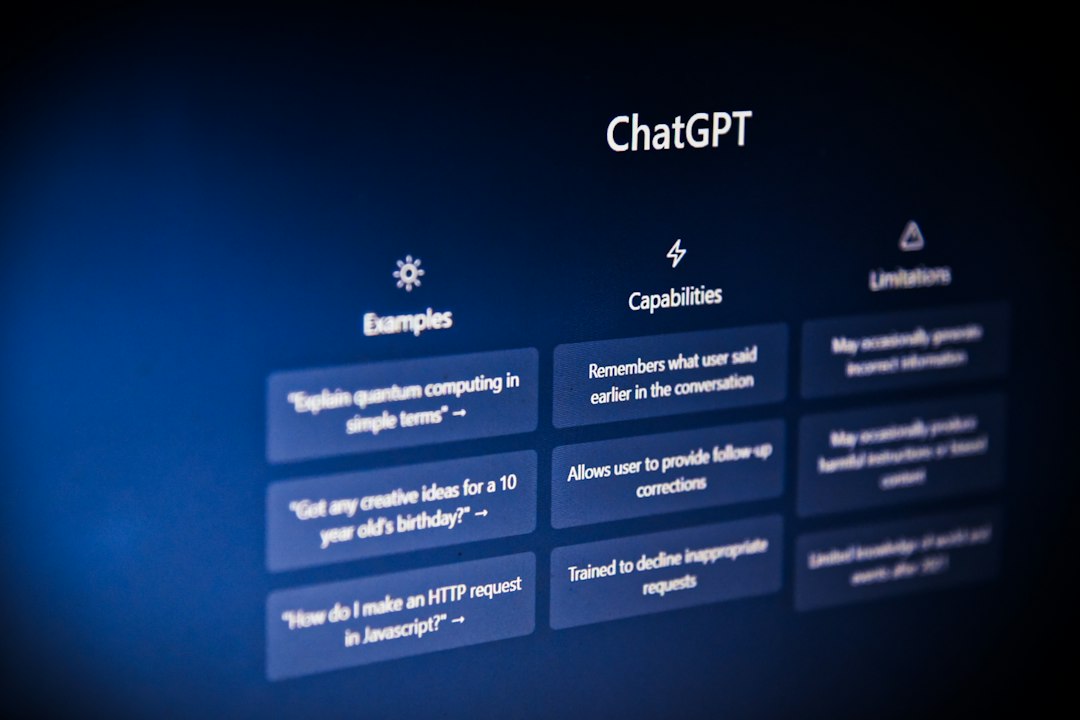
The implementation of AI chatbots in customer service brings a multitude of benefits that can significantly impact a business's bottom line. One of the most notable advantages is cost reduction. By automating routine inquiries and tasks, companies can decrease the need for a large customer service team, leading to substantial savings in labor costs.
Additionally, chatbots can operate without breaks or downtime, ensuring that customer inquiries are addressed promptly and efficiently.
AI chatbots can provide personalized interactions by leveraging data from previous customer interactions and preferences. This level of personalization helps create a more engaging experience for customers, making them feel valued and understood. Furthermore, chatbots can gather valuable insights from customer interactions, allowing businesses to identify trends and areas for improvement in their services.

This data-driven approach enables companies to refine their offerings and better meet the needs of their customers.
Overcoming Challenges in Integrating AI Chatbots into Customer Service
| Challenges | Metrics |
|---|---|
| Customer Satisfaction | Net Promoter Score (NPS) |
| Response Time | Average Handling Time (AHT) |
| Accuracy | Error Rate |
| Adoption Rate | Percentage of Customers Using Chatbot |
Despite the numerous advantages of AI chatbots, integrating them into existing customer service frameworks is not without its challenges. One significant hurdle is ensuring that the chatbot is capable of understanding and processing diverse customer inquiries accurately. While advancements in NLP have improved chatbot capabilities, there are still instances where misunderstandings can occur, leading to frustration for customers.
Businesses must invest in ongoing training and refinement of their chatbot systems to minimize these issues. Another challenge lies in striking the right balance between automation and human interaction. While chatbots excel at handling routine inquiries, there are situations where human empathy and understanding are essential.
Companies must develop strategies to seamlessly transition customers from chatbot interactions to human agents when necessary. This hybrid approach ensures that customers receive the best possible service while still benefiting from the efficiency of AI technology.
Best Practices for Utilizing AI Chatbots in Customer Service
To maximize the effectiveness of AI chatbots in customer service, businesses should adhere to several best practices. First and foremost, it is crucial to define clear objectives for the chatbot's role within the organization. Whether the goal is to reduce response times, improve customer satisfaction, or gather data for analysis, having a clear purpose will guide the development and implementation process.
Additionally, businesses should prioritize user experience when designing chatbot interactions. This includes creating intuitive conversation flows that guide customers through their inquiries seamlessly. Regularly updating the chatbot's knowledge base with new information and frequently asked questions is also essential to ensure that it remains relevant and useful.
Furthermore, soliciting feedback from customers about their experiences with the chatbot can provide valuable insights for continuous improvement.
The Future of Customer Service with AI Chatbots

Enhanced Capabilities through Emerging Technologies
For instance, voice-activated chatbots could enable hands-free assistance for users, while sentiment analysis could help chatbots gauge customer emotions and respond accordingly. This would allow chatbots to provide more personalized and empathetic support, leading to improved customer satisfaction.
Omnichannel Strategies and Consistent Support
As businesses increasingly adopt omnichannel strategies, AI chatbots will play a pivotal role in providing consistent support across various platforms. Whether through social media, websites, or messaging apps, chatbots will ensure that customers receive a unified experience regardless of how they choose to engage with a brand.
Improved Customer Satisfaction and Brand Loyalty
This evolution will not only improve customer satisfaction but also strengthen brand loyalty as consumers come to expect seamless interactions across all touchpoints. By providing consistent and personalized support, businesses can build trust and loyalty with their customers, ultimately driving long-term growth and success.
Case Studies: Successful Implementation of AI Chatbots in Customer Service
Numerous organizations have successfully implemented AI chatbots in their customer service operations, showcasing the potential benefits of this technology. For example, a leading e-commerce platform integrated a chatbot into its website and mobile app to assist customers with order tracking and product inquiries. The chatbot was able to handle thousands of inquiries simultaneously, significantly reducing response times and improving overall customer satisfaction ratings.
Another notable case involves a major airline that deployed an AI chatbot to assist passengers with flight information and booking changes. By automating these processes, the airline was able to free up human agents to focus on more complex issues while providing passengers with instant access to critical information. The result was a marked increase in customer satisfaction scores and a decrease in call center volume during peak travel seasons.
Tips for Choosing the Right AI Chatbot for Your Customer Service Needs
Selecting the right AI chatbot for a business's customer service needs requires careful consideration of several factors. First and foremost, organizations should assess their specific requirements and objectives for implementing a chatbot solution. Understanding the types of inquiries the chatbot will handle and the desired level of automation will help narrow down options.
Additionally, businesses should evaluate the scalability of potential chatbot solutions. As companies grow and evolve, their customer service needs may change; therefore, choosing a chatbot that can adapt and expand its capabilities is essential.
Finally, it is crucial to prioritize user experience when selecting a chatbot solution. A user-friendly interface and intuitive design will enhance customer interactions and encourage engagement with the chatbot. By taking these factors into account, businesses can choose an AI chatbot that aligns with their goals and enhances their overall customer service strategy.
In conclusion, the rise of AI chatbots has revolutionized customer service by providing efficient solutions that meet modern consumer expectations. As businesses continue to navigate this evolving landscape, understanding the benefits, challenges, and best practices associated with AI chatbots will be essential for success in delivering exceptional customer experiences.
AI-powered chatbots have revolutionized customer service for small businesses, allowing them to provide instant support and assistance to their customers. Implementing a customer-centric strategy is crucial for the success of any business, especially small businesses looking to grow. For more information on how to implement a customer-centric strategy for small business growth, check out this article here.
FAQs
What is an AI-powered chatbot?
An AI-powered chatbot is a computer program that uses artificial intelligence (AI) to simulate human conversation through text or voice interactions. These chatbots are designed to understand and respond to user queries in a natural and conversational manner.
How does an AI-powered chatbot work?
AI-powered chatbots work by using natural language processing (NLP) and machine learning algorithms to understand and interpret user input. They then generate appropriate responses based on the context of the conversation. These chatbots can be integrated with various platforms such as websites, messaging apps, and voice assistants.
What are the benefits of using AI-powered chatbots?
AI-powered chatbots offer several benefits, including 24/7 availability, instant responses to customer queries, personalized interactions, and the ability to handle a large volume of inquiries simultaneously. They can also help businesses automate routine tasks, improve customer service, and enhance user experience.
What are some common applications of AI-powered chatbots?
AI-powered chatbots are used in various industries and applications, including customer support, e-commerce, healthcare, banking, travel, and education. They can assist with customer inquiries, provide product recommendations, schedule appointments, process payments, and deliver personalized content.
What are the limitations of AI-powered chatbots?
While AI-powered chatbots have advanced capabilities, they may still struggle with understanding complex or ambiguous queries, maintaining context in a conversation, and handling emotional or sensitive interactions. Additionally, they require continuous training and monitoring to improve their performance and accuracy.