
Revolutionizing Customer Support with Chatbot Service
In recent years, the landscape of customer support has undergone a significant transformation, largely driven by the rise of chatbot services. These automated systems, designed to simulate human conversation, have become increasingly prevalent across various industries. As businesses strive to enhance customer experience while managing operational costs, chatbots have emerged as a viable solution. Their ability to provide instant responses and handle multiple inquiries simultaneously has made them an attractive option for companies looking to streamline their customer service operations.
The proliferation of digital communication channels has further accelerated the adoption of chatbots. With consumers increasingly turning to online platforms for assistance, businesses have recognized the need to meet customers where they are. Chatbots offer a 24/7 presence, ensuring that inquiries can be addressed at any time, regardless of traditional business hours. This shift not only improves customer satisfaction but also allows companies to allocate human resources more effectively, focusing on complex issues that require a personal touch.
In today's digital landscape, businesses are increasingly turning to chatbot services to enhance customer engagement and streamline operations. A related article that delves into the importance of adopting a customer-centric strategy for small business growth can be found at this link. By integrating chatbots into their customer service frameworks, companies can not only improve response times but also gather valuable insights into customer preferences, ultimately leading to greater satisfaction and loyalty.
Key Takeaways
- Chatbots are increasingly becoming essential tools in customer support, enhancing service efficiency.
- They revolutionize customer service by providing instant, 24/7 assistance and personalized interactions.
- Key benefits include cost reduction, faster response times, and improved customer satisfaction.
- Successful implementation requires strategic integration, continuous training, and addressing common challenges.
- The future of customer support will blend advanced chatbot technology with human agents for optimal service.

How Chatbots are Revolutionizing Customer Service
Chatbots are revolutionizing customer service by redefining how businesses interact with their clients. Traditionally, customer support relied heavily on human agents who managed inquiries through phone calls or emails.
However, the introduction of chatbots has shifted this paradigm, enabling companies to automate routine tasks and provide immediate assistance.
By leveraging artificial intelligence and natural language processing, chatbots can understand and respond to customer queries with remarkable accuracy, mimicking human-like interactions.
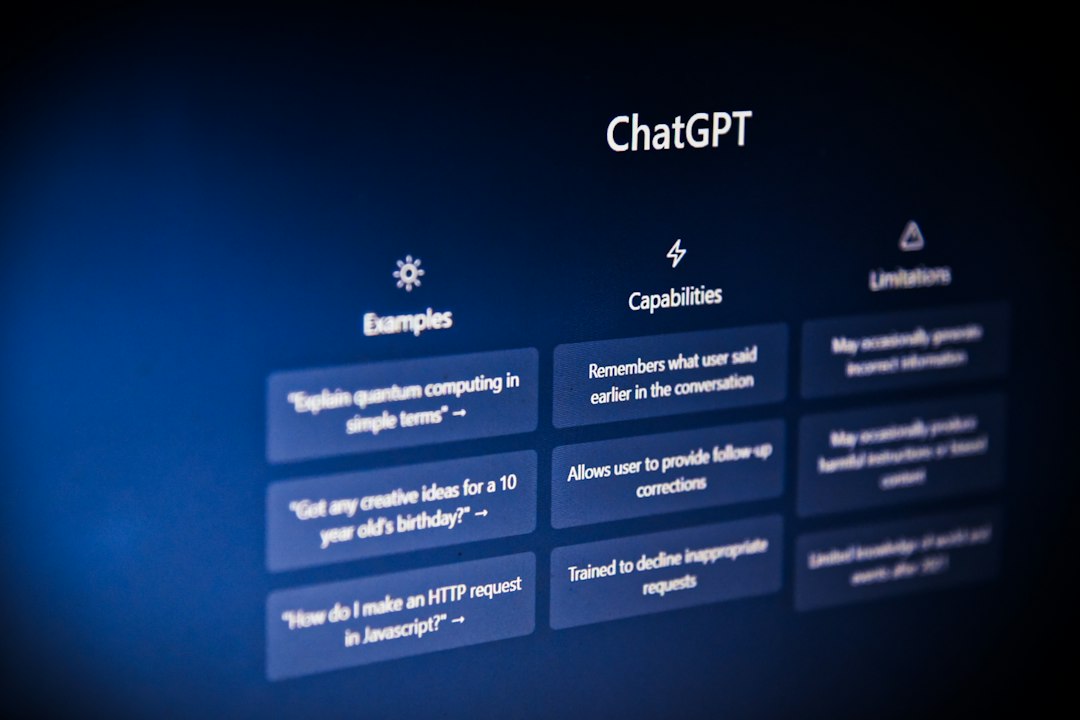
Moreover, chatbots are capable of learning from past interactions, which enhances their ability to provide relevant and personalized responses over time. This continuous improvement not only boosts efficiency but also fosters a more engaging customer experience. As customers become accustomed to the speed and convenience of chatbot interactions, their expectations for service quality have evolved. Businesses that embrace this technology are better positioned to meet these demands and maintain a competitive edge in the marketplace.
Benefits of Using Chatbots for Customer Support
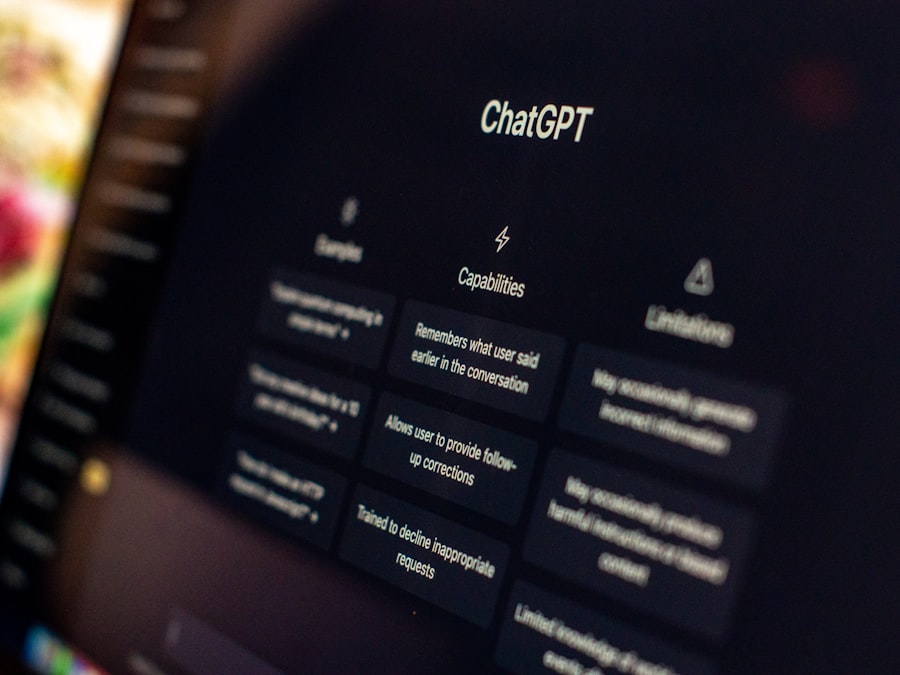
The benefits of utilizing chatbots in customer support are manifold. One of the most significant advantages is the cost-effectiveness they offer. By automating routine inquiries, businesses can reduce the need for extensive customer service teams, leading to substantial savings in labor costs.

This financial efficiency allows companies to allocate resources toward other critical areas, such as product development or marketing initiatives. In addition to cost savings, chatbots enhance the overall customer experience by providing instant responses to inquiries. Customers no longer have to endure long wait times or navigate complex phone menus; instead, they can receive immediate assistance through a simple chat interface.
This immediacy not only satisfies customers but also increases the likelihood of repeat business. Furthermore, chatbots can handle a high volume of inquiries simultaneously, ensuring that no customer feels neglected during peak times.
Implementing Chatbot Service in Your Customer Support Strategy
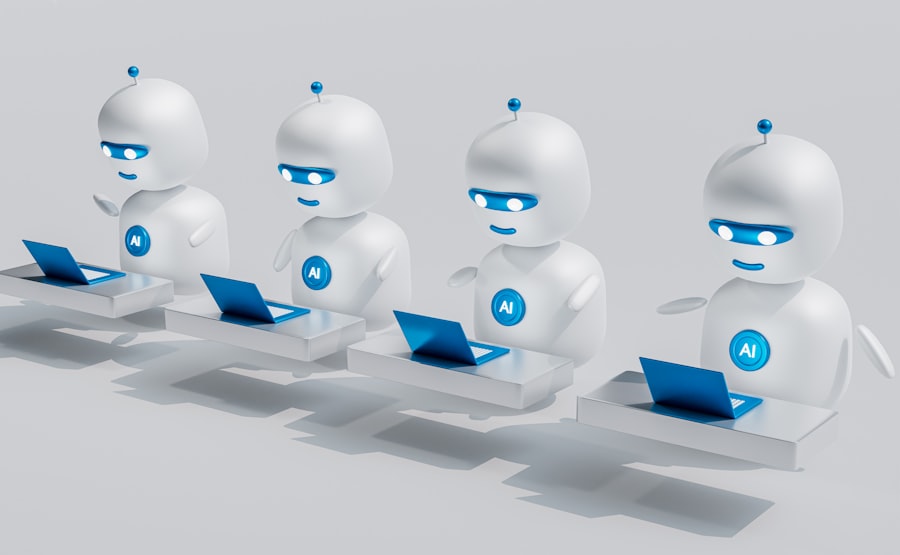
Implementing a chatbot service into a customer support strategy requires careful planning and execution. The first step involves identifying the specific needs and pain points of the business and its customers. By understanding common inquiries and issues faced by customers, companies can tailor their chatbot's functionality to address these concerns effectively. This targeted approach ensures that the chatbot provides relevant assistance and enhances the overall customer experience.
Once the objectives are established, businesses must choose the right technology platform for their chatbot. Various options are available, ranging from simple rule-based systems to advanced AI-driven solutions capable of natural language understanding. The choice will depend on factors such as budget, technical expertise, and desired functionality. After selecting a platform, companies should invest time in training the chatbot with relevant data and scenarios to ensure it can handle a wide range of inquiries competently.
As businesses increasingly adopt chatbot services to enhance customer engagement, it's essential to stay informed about the latest trends and best practices in the industry. A related article that provides valuable insights on optimizing chatbot interactions can be found here: Chatbot Optimization Strategies. This resource explores various techniques to improve user experience and drive better results through effective chatbot implementation.
Overcoming Challenges in Chatbot Customer Support
| Metric | Description | Value | Unit |
|---|---|---|---|
| Response Time | Average time taken to respond to a user query | 1.2 | seconds |
| Accuracy | Percentage of correct responses provided by the chatbot | 87 | % |
| Uptime | Percentage of time the chatbot service is operational | 99.8 | % |
| Sessions per Day | Number of user sessions handled daily | 15,000 | sessions |
| Customer Satisfaction | Average user satisfaction rating | 4.3 | out of 5 |
| Fallback Rate | Percentage of queries the chatbot could not handle | 5 | % |
| Average Session Length | Average duration of a user session | 3.5 | minutes |
Despite their numerous advantages, implementing chatbot services in customer support is not without challenges. One significant hurdle is ensuring that the chatbot can effectively understand and respond to diverse customer queries. Natural language processing technology has advanced considerably, but it is not infallible. Misinterpretations can lead to frustration for customers who expect accurate and helpful responses. To mitigate this risk, businesses must continuously monitor chatbot interactions and refine its algorithms based on real-world usage.
Another challenge lies in striking the right balance between automation and human interaction. While chatbots excel at handling routine inquiries, there are instances where human agents are necessary for more complex issues or sensitive situations. Companies must establish clear protocols for when a chatbot should escalate an inquiry to a human representative. This hybrid approach ensures that customers receive the best possible support while maximizing the efficiency of both chatbots and human agents.
Best Practices for Utilizing Chatbots in Customer Service
To maximize the effectiveness of chatbots in customer service, businesses should adhere to several best practices. First and foremost, it is essential to design an intuitive user interface that facilitates seamless interactions. Customers should be able to easily navigate the chatbot's features and access information without confusion. A well-structured conversation flow can significantly enhance user satisfaction and encourage continued engagement.
Additionally, regular updates and maintenance are crucial for keeping the chatbot relevant and effective. As products, services, and customer needs evolve, so too must the chatbot's knowledge base. Businesses should invest in ongoing training and updates to ensure that the chatbot remains equipped to handle new inquiries and challenges as they arise. Furthermore, soliciting feedback from customers about their experiences with the chatbot can provide valuable insights for continuous improvement.
The Future of Customer Support: Chatbots and Beyond
The future of customer support is poised for further evolution as technology continues to advance. While chatbots have already made significant strides in enhancing customer service, emerging technologies such as machine learning and predictive analytics promise even greater capabilities. These innovations will enable chatbots to anticipate customer needs based on historical data and behavior patterns, allowing for proactive support rather than reactive responses.
Moreover, as voice recognition technology becomes more sophisticated, voice-activated chatbots may become increasingly prevalent in customer support scenarios. This shift could lead to more natural interactions between customers and automated systems, further blurring the lines between human and machine communication. As businesses adapt to these changes, they will need to remain agile and open to integrating new technologies into their customer support strategies.
Success Stories of Companies Using Chatbot Service for Customer Support
Numerous companies have successfully integrated chatbot services into their customer support operations, showcasing the potential of this technology. For instance, a leading e-commerce platform implemented a chatbot that handles order inquiries and tracking requests. By automating these processes, the company significantly reduced response times and improved overall customer satisfaction ratings.
Another success story comes from a major telecommunications provider that utilized a chatbot to assist customers with troubleshooting common technical issues. The chatbot not only provided immediate solutions but also guided users through step-by-step processes when necessary. As a result, the company reported a marked decrease in call volume to its support center, allowing human agents to focus on more complex cases.
These examples illustrate how businesses across various sectors are harnessing the power of chatbots to enhance their customer support efforts. As technology continues to evolve, it is likely that more organizations will follow suit, recognizing the value that chatbots bring to improving efficiency and customer satisfaction in an increasingly digital world.
FAQs
What is a chatbot service?
A chatbot service is a software application designed to simulate human conversation through text or voice interactions. It is commonly used by businesses to provide customer support, answer frequently asked questions, and assist users in real-time.
How do chatbot services work?
Chatbot services use natural language processing (NLP) and artificial intelligence (AI) to understand user inputs and generate appropriate responses. They can be rule-based, following predefined scripts, or AI-driven, learning from interactions to improve over time.
What are the benefits of using a chatbot service?
Chatbot services offer several benefits, including 24/7 availability, instant response times, cost savings on customer support, improved user engagement, and the ability to handle multiple queries simultaneously.
Can chatbot services be integrated with other platforms?
Yes, chatbot services can be integrated with various platforms such as websites, social media channels, messaging apps, and customer relationship management (CRM) systems to provide seamless communication and enhance user experience.
Are chatbot services secure and private?
Reputable chatbot services implement security measures like data encryption and compliance with privacy regulations to protect user information. However, users should be cautious about sharing sensitive data and ensure the chatbot provider follows industry best practices.