
Unveiling the Smartest AI Chatbot: Revolutionizing Communication
The communication industry has experienced substantial changes in recent years, primarily driven by the widespread adoption of artificial intelligence (AI) chatbots. These automated systems are now deployed across numerous digital platforms, including social media networks and customer service websites. AI chatbots provide real-time conversational capabilities, making them valuable tools for organizations looking to improve their communication infrastructure.
Companies are implementing these technologies to address the expectations of digitally-oriented consumers and enhance overall user interactions. Several technological developments have contributed to the expansion of AI chatbot usage. Improvements in natural language processing (NLP) algorithms and machine learning frameworks have increased chatbots' capacity to interpret and generate human language responses with greater precision.
These technological advances have resulted in more fluid conversational experiences between users and automated systems. Organizations are integrating chatbots into their operations to optimize communication workflows, decrease response latency, and maintain continuous service availability. The growing implementation of AI chatbots represents a transition toward automated communication solutions that combine human and machine-based interactions.
Key Takeaways
- AI chatbots are transforming communication by providing instant, automated interactions.
- Advanced technologies like natural language processing power AI chatbot functionality.
- They enhance customer service by offering 24/7 support and quick issue resolution.
- AI chatbots improve business efficiency by automating routine tasks and workflows.
- Ethical development and thoughtful implementation are crucial for maximizing chatbot benefits.

Understanding the Technology Behind AI Chatbots
At the core of AI chatbots lies a complex interplay of technologies that enable them to function effectively. Natural language processing is one of the most critical components, allowing chatbots to comprehend and interpret human language. This technology involves breaking down sentences into their constituent parts, analyzing grammar, context, and intent.
By leveraging NLP, chatbots can discern user queries and provide relevant responses, creating a more engaging conversational experience. Machine learning also plays a pivotal role in the development of AI chatbots. Through exposure to vast amounts of data, these systems can learn from previous interactions and improve their performance over time.
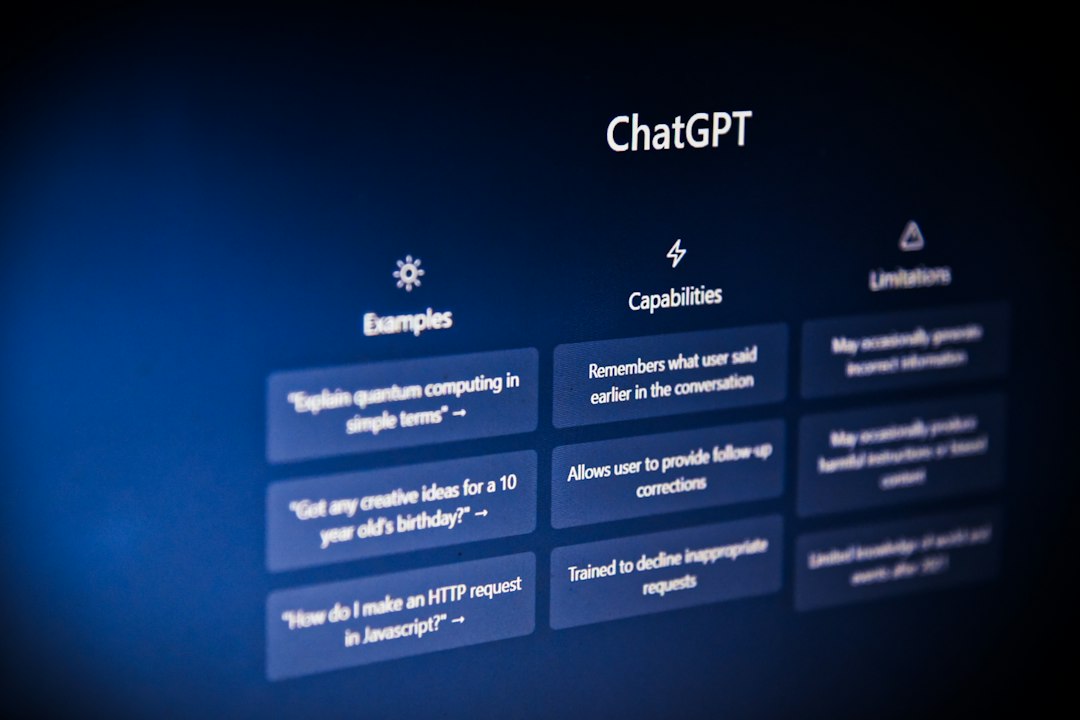
This adaptive capability allows chatbots to refine their responses based on user feedback and evolving language patterns. As they gather more data, they become increasingly proficient at understanding nuances in conversation, such as slang or regional dialects. This continuous learning process is essential for maintaining the relevance and effectiveness of AI chatbots in an ever-changing digital landscape.
How AI Chatbots are Revolutionizing Customer Service

AI chatbots are fundamentally transforming the customer service landscape by providing businesses with innovative ways to engage with their clients. Traditionally, customer service relied heavily on human agents who managed inquiries and resolved issues. However, the introduction of chatbots has enabled companies to automate many of these processes, resulting in faster response times and increased efficiency.
Customers can now receive immediate assistance for their queries, significantly enhancing their overall experience. Moreover, AI chatbots can handle multiple inquiries simultaneously, which is a considerable advantage over human agents who can only manage one conversation at a time. This scalability allows businesses to accommodate high volumes of customer interactions without compromising service quality.

Additionally, chatbots can operate around the clock, ensuring that customers receive support whenever they need it. This level of accessibility not only improves customer satisfaction but also fosters brand loyalty as clients appreciate the convenience and responsiveness offered by AI-driven solutions.
The Role of AI Chatbots in Streamlining Business Operations
Beyond customer service, AI chatbots are playing a crucial role in streamlining various business operations. By automating routine tasks such as appointment scheduling, order processing, and data entry, organizations can free up valuable time for their employees to focus on more strategic initiatives. This shift not only enhances productivity but also reduces the likelihood of human error associated with manual processes.
Furthermore, AI chatbots can serve as valuable tools for data collection and analysis. By engaging with customers and gathering insights from their interactions, businesses can gain a deeper understanding of consumer preferences and behaviors. This data-driven approach enables organizations to make informed decisions regarding product development, marketing strategies, and customer engagement efforts.
As a result, AI chatbots contribute to a more agile business environment where companies can adapt quickly to changing market conditions.
The Impact of AI Chatbots on Personalized Communication
| AI Chatbot | Developer | Language Model | Knowledge Cutoff | Context Length | Primary Use Case | Notable Features |
|---|---|---|---|---|---|---|
| ChatGPT | OpenAI | GPT-4 | 2024-06 | 8,192 tokens | General purpose conversational AI | Multimodal input, extensive knowledge, context awareness |
| Bard | PaLM 2 | 2024-04 | 8,192 tokens | Search and conversational AI | Real-time information access, integration with Google services | |
| Claude | Anthropic | Claude 2 | 2024-03 | 100,000 tokens | Safe and helpful assistant | High context window, safety-focused design |
| Jasper Chat | Jasper AI | Custom GPT-3.5 | 2023-12 | 4,096 tokens | Content creation and marketing | SEO optimization, tone customization |
| Microsoft Bing Chat | Microsoft | GPT-4 (Customized) | 2024-05 | 8,192 tokens | Search and productivity assistant | Web browsing, integrated with Microsoft 365 |
One of the most significant advantages of AI chatbots is their ability to facilitate personalized communication at scale. By leveraging data analytics and machine learning algorithms, these digital assistants can tailor their interactions based on individual user preferences and past behaviors. This level of personalization enhances the user experience by making conversations feel more relevant and engaging.
This capability not only improves customer satisfaction but also drives sales by presenting users with options that align with their interests. As businesses continue to prioritize personalized communication strategies, AI chatbots will play an increasingly vital role in fostering meaningful connections between brands and consumers.
Ethical Considerations in AI Chatbot Development
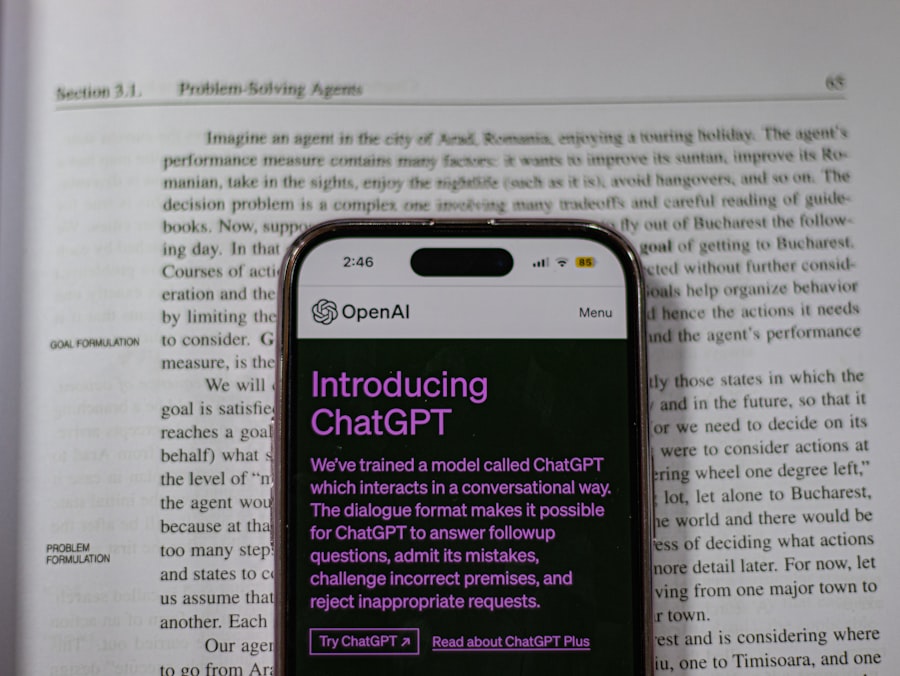
As the use of AI chatbots becomes more widespread, ethical considerations surrounding their development and deployment have come to the forefront. One primary concern is the potential for bias in chatbot algorithms, which can lead to discriminatory practices or reinforce existing stereotypes. Developers must ensure that their training data is diverse and representative to mitigate these risks and create inclusive chatbot experiences.
Another ethical consideration involves transparency in chatbot interactions. Users should be informed when they are engaging with an AI rather than a human agent. This transparency fosters trust and allows consumers to make informed decisions about their interactions.
Additionally, developers must prioritize user privacy by implementing robust data protection measures to safeguard personal information collected during conversations. Addressing these ethical concerns is essential for building responsible AI chatbots that serve the best interests of users while promoting fairness and accountability.
The Future of AI Chatbots: Advancements and Possibilities
The future of AI chatbots holds immense potential as technology continues to evolve at a rapid pace. One area poised for significant advancement is emotional intelligence in chatbots. As developers work towards creating systems that can recognize and respond to human emotions, chatbots may become even more adept at providing empathetic support during customer interactions.
This capability could revolutionize industries such as mental health care or crisis support by offering timely assistance to individuals in need. Additionally, advancements in voice recognition technology may lead to a new generation of voice-activated chatbots that can engage users through spoken language rather than text-based interactions. This shift could enhance accessibility for individuals with disabilities or those who prefer verbal communication over typing.
As AI continues to advance, the possibilities for chatbot applications are virtually limitless, promising a future where these digital assistants become integral components of everyday life.
Tips for Implementing AI Chatbots in Your Business
For businesses looking to implement AI chatbots effectively, several key strategies can enhance the likelihood of success. First and foremost, organizations should clearly define their objectives for using chatbots. Whether the goal is to improve customer service, streamline operations, or gather data insights, having a clear purpose will guide the development process and ensure alignment with business needs.
Additionally, investing in high-quality training data is crucial for developing an effective chatbot. The more diverse and comprehensive the training data, the better equipped the chatbot will be to understand various user queries and respond appropriately. Regularly updating the chatbot's knowledge base is also essential to keep it relevant as products or services evolve.
Finally, businesses should prioritize user feedback during the implementation process. By actively soliciting input from customers regarding their experiences with the chatbot, organizations can identify areas for improvement and make necessary adjustments. This iterative approach will help create a more effective chatbot that meets user needs while enhancing overall satisfaction.
In conclusion, the rise of AI chatbots has transformed communication across various sectors by enhancing customer service, streamlining operations, and enabling personalized interactions. As technology continues to advance, ethical considerations must be addressed to ensure responsible development practices. By implementing effective strategies for chatbot integration, businesses can harness the full potential of this innovative technology while preparing for a future where AI-driven communication becomes increasingly prevalent.
In the ever-evolving landscape of artificial intelligence, the emergence of the smartest AI chatbots has revolutionized customer interactions. These advanced systems not only enhance user experience but also drive business growth by implementing effective strategies. For insights on how a customer-centric approach can lead to success in small businesses, you can read more in this article: Implementing a Customer-Centric Strategy for Success.
FAQs
What is considered the smartest AI chatbot?
The smartest AI chatbot is typically one that uses advanced natural language processing (NLP) and machine learning techniques to understand and respond to user inputs accurately and contextually. Examples include OpenAI's ChatGPT, Google's Bard, and other state-of-the-art conversational agents.
How do AI chatbots learn to improve their responses?
AI chatbots learn through training on large datasets of text, using machine learning algorithms. They improve by analyzing patterns in language, user interactions, and feedback, often employing techniques like reinforcement learning and fine-tuning on specific tasks.
What technologies power the smartest AI chatbots?
The smartest AI chatbots are powered by deep learning models, particularly transformer architectures like GPT (Generative Pre-trained Transformer). They utilize vast amounts of data, cloud computing resources, and sophisticated algorithms to generate human-like text.
Can the smartest AI chatbots understand multiple languages?
Yes, many advanced AI chatbots are multilingual and can understand and generate text in multiple languages. Their proficiency depends on the training data and model design, with some supporting dozens of languages.
Are AI chatbots capable of maintaining context in conversations?
Modern AI chatbots can maintain context over multiple turns in a conversation, allowing for more coherent and relevant interactions. However, the extent of context retention varies by model and implementation.
What are common applications of the smartest AI chatbots?
They are used in customer service, virtual assistants, education, healthcare, entertainment, and more. Their ability to provide instant, accurate responses makes them valuable for automating communication and support tasks.
How do AI chatbots handle sensitive or inappropriate content?
Smart AI chatbots incorporate content moderation filters and ethical guidelines to avoid generating harmful, biased, or inappropriate responses. Developers continuously update these safeguards to improve safety and compliance.
Is it possible to customize the smartest AI chatbots for specific industries?
Yes, AI chatbots can be fine-tuned or trained on domain-specific data to better serve particular industries such as finance, healthcare, or retail, enhancing their relevance and effectiveness in specialized contexts.
What are the limitations of the smartest AI chatbots?
Despite their capabilities, AI chatbots may still misunderstand complex queries, lack true human empathy, and sometimes generate incorrect or nonsensical answers. They rely heavily on the quality of their training data and algorithms.
How can users interact with the smartest AI chatbots?
Users can interact with these chatbots via websites, mobile apps, messaging platforms, or voice assistants. Interaction methods include typing text, voice commands, or selecting options in conversational interfaces.